Florida’s university system has decided to temporarily stop hiring foreign faculty members through the H-1B visa programme. The decision affects new hires across the state’s 12 public universities and will remain in place until January 5, 2027.While the policy focuses on recruitment procedures, its consequences may reach far beyond university human resources departments.
What the new rule says
The Florida Board of Governors, which oversees the State University System of Florida, approved a temporary suspension of hiring foreign professionals under the H-1B visa programme.The H-1B visa programme allows employers in the United States to recruit foreign professionals for specialised occupations. These roles often include fields such as science, technology, engineering and mathematics.The suspension will apply only to new employees at Florida’s public universities. Existing faculty members already working under H-1B visas will not be affected.According to information posted on the board’s website, the restriction will remain in effect until January 5, 2027.
The political backdrop
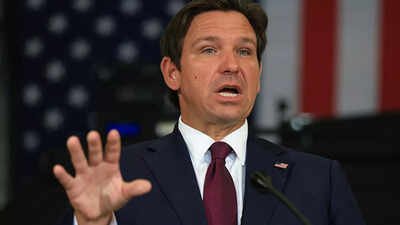
The decision follows earlier directions from Florida Governor Ron DeSantis.In October last year, DeSantis asked universities to tighten oversight of what he described as visa misuse in higher education. He argued that some institutions were hiring foreign workers instead of qualified American candidates.At the time, DeSantis said universities were “importing foreign workers on H-1B visas instead of hiring Americans who are qualified and available to do the job”.Neither the governor’s office nor the Board of Governors immediately responded to requests for comment after the new regulation was reported.
A visa programme widely used by universities
The H-1B visa programme has long been a key pathway for universities to recruit global talent.Under current federal rules, the US issues 65,000 H-1B visas each year. An additional 20,000 visas are available for applicants with advanced degrees from American institutions.The visas usually allow professionals to work in the country for three to six years.Universities rely on the programme to recruit professors, researchers and technical specialists in fields where expertise may be limited within the domestic labour pool.Data from the United States Citizenship and Immigration Services (USCIS) show that more than 600 beneficiaries received H-1B approvals through Florida’s 12 public universities last year.
Federal pressure on the visa system
The Florida decision also arrives amid broader changes to immigration policy.Last year, US President Donald Trump imposed a one time $100,000 fee for new H-1B visa applicants. The measure formed part of a wider effort by the administration to tighten immigration rules.The higher cost has already raised concerns among universities that rely on international researchers and faculty members.For many institutions, recruiting talent from abroad requires balancing research priorities with increasingly complex visa regulations.
What the shift could mean for campuses
At first glance, the suspension may appear limited. It applies only to new hires and is set to expire in early 2027. Yet even temporary restrictions can influence academic hiring patterns.Universities often plan faculty recruitment several years in advance. Departments in science, engineering and technology fields depend heavily on global talent pools. A pause in visa based hiring may slow recruitment in specialised research areas.Students may not notice immediate changes in classrooms. But over time, the composition of faculty and research teams could shift if international hiring becomes more restricted.For universities that compete globally for talent, even small adjustments to visa policy can reshape how academic departments grow.
Signals to watch in the coming years
The impact of the suspension will likely unfold gradually.One question is whether the policy remains temporary or evolves into a longer term hiring rule. Another is how universities adapt their recruitment strategies during the pause.Observers will also watch whether similar restrictions appear in other states.Higher education in the US has long relied on international scholars to sustain research, innovation and teaching. Decisions about who can enter that system therefore carry consequences that extend well beyond university hiring offices.