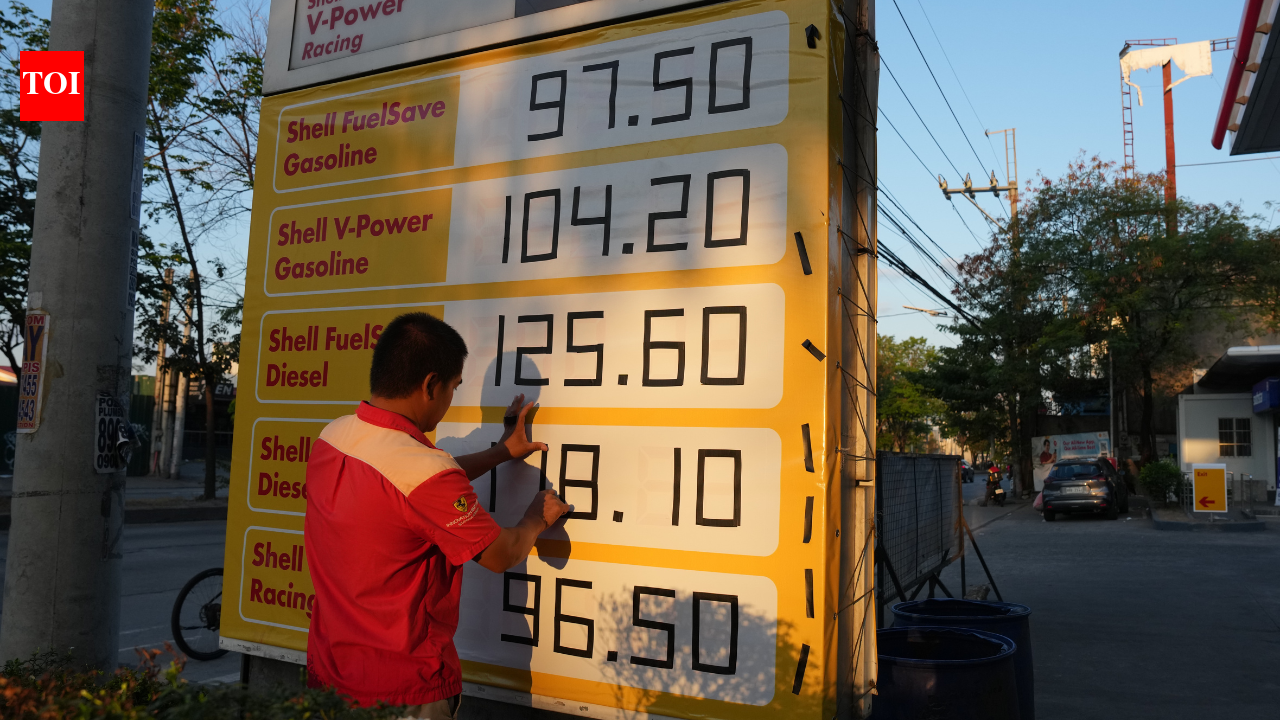
The Philippines has declared a national energy emergency, warning of an “imminent danger” to fuel supplies as the escalating Middle East conflict threatens to disrupt global oil flows.President Ferdinand Marcos Jr., in an executive order issued late Tuesday, said urgent steps were needed to safeguard energy stability, economic activity and essential services.The move marks the country’s first nationwide emergency declaration since the Covid-19 crisis in 2020, according to a report by Bloomberg.Highly dependent on imports, the Philippines sources nearly all of its oil from the Middle East. Officials said the country had about 45 days of supply as of March 20, raising concerns over a potential shortage if disruptions persist.Marcos warned that aviation could be among the hardest-hit sectors, saying it was a “distinct possibility” that flights may be grounded due to a lack of jet fuel.Flag carrier Philippine Airlines said it has secured fuel only through June, with uncertainty beyond that point. Industry officials have not ruled out rationing if the crisis deepens.The emergency declaration empowers the government to take sweeping measures to manage the situation. A special committee will oversee the supply of fuel and other essentials, while authorities have been directed to enforce conservation, prevent hoarding and fast-track fuel procurement.Transport authorities may roll out subsidies, extend rail operations and suspend certain fees to ease the burden on commuters. Welfare agencies have also been tasked with monitoring price spikes and accelerating aid, while preparations are underway for the possible return of overseas workers from the region.Unlike some Southeast Asian peers, the Philippines does not provide broad fuel subsidies, leaving consumers more exposed to rising global prices.The disruption is linked to tensions around the Strait of Hormuz—a critical artery for global energy supplies—where instability has rattled markets and pushed fuel costs sharply higher.The emergency will remain in force for up to a year unless lifted earlier.