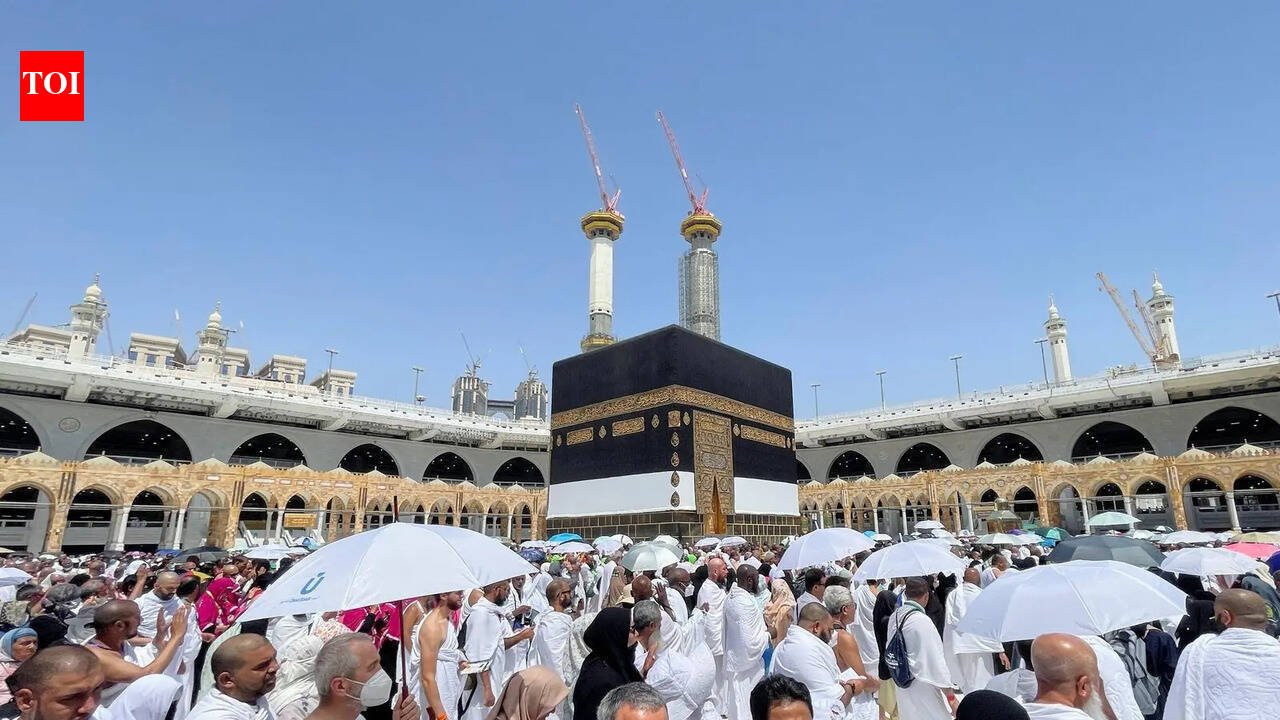
Saudi Arabia has accelerated preparations for Hajj 2026 (1447 AH), introducing earlier visa processing, stricter timelines and a fully digital system to manage millions of pilgrims.According to official timelines, Hajj is expected to take place between May 24 and May 29, 2026, with international arrivals scheduled from April 18 to May 21.In a major shift, the Ministry of Hajj and Umrah began issuing visas as early as February 8, 2026, months ahead of the pilgrimage. This early rollout aims to improve coordination and avoid last-minute travel chaos.Saudi authorities have also enforced strict booking timelines, instructing governments and private operators globally to finalise arrangements well in advance to secure accommodation and transport.
Nusuk registration, and new Saudi rules
For Hajj 2026, Saudi Arabia has made the Nusuk platform the central system for the entire pilgrimage process. This unified digital platform now handles everything from visa applications to on-ground services, eliminating the need for multiple intermediaries.Through Nusuk, pilgrims can not only register but also book and manage key components of their journey. These include accommodation in Mecca and Medina intercity transport, and guided service packages. One of the most sought-after features is the ability to book Rawdah (Riyaz ul Jannah) visit permits at the Prophet’s Mosque in Medina, which are issued in limited slots and must be reserved in advance.The platform also allows pilgrims to:
- Select official Hajj packages with approved service providers
- Arrange airport transfers and internal transport between holy sites
- Access permits for key ritual locations
- Track application status, payments and documentation
Authorities say this system improves transparency and prevents fraud, especially after action was taken against nearly 1,800 foreign travel agencies for service violations.As of the latest available updates, over 1.2 million pilgrims have already registered or initiated applications globally, reflecting strong demand. Final participation is expected to cross 2 million, similar to pre-pandemic levels.Pilgrims can access Nusuk via its official website (nusuk.sa) or mobile app, and are advised to rely only on authorised channels for bookings.
Strict deadlines
Saudi Arabia has tightened rules around the transition from Umrah to Hajj in an effort to better manage crowds and prevent unauthorised stays. The government has clearly defined cut-off dates for Umrah pilgrims, ensuring that only registered Hajj participants remain in the country during peak days.Officials stressed that these measures are essential for maintaining safety in Mecca and Medina, where millions gather within a short span. This year’s focus is on stricter enforcement, with authorities closely monitoring entry, exit and accommodation records through integrated digital systems.The broader regulatory push also includes improved licensing rules for hotels and transport providers, ensuring only approved operators serve pilgrims during the season.
Travel, flights and hotels
From a travel perspective, Hajj 2026 is expected to be better organised but slightly more complex due to tighter controls and global uncertainties. Airlines across the Gulf and South Asia have already begun adjusting schedules to accommodate the early travel window, with additional Hajj flights likely to be introduced closer to departure dates.However, ongoing tensions in the region, particularly involving the United States and Iran, have led to some airspace adjustments. Aviation experts say flights are unlikely to be cancelled, but rerouting and minor delays may occur, especially on routes crossing sensitive zones.Hotel accommodation in Mecca and Medina is also undergoing tighter regulation this year. Saudi authorities have introduced a seasonal licensing system to ensure quality standards, which could lead to limited availability and slightly higher prices in prime areas close to the Grand Mosque.Pilgrims are advised to finalise bookings early, stick to authorised platforms and remain flexible with travel plans. Those travelling from Gulf countries such as the UAE, Qatar and Oman are expected to benefit from shorter travel times, but must still comply with the same strict documentation and scheduling requirements.
What this means?
For Gulf-based pilgrims, the 2026 Hajj season offers better planning tools but demands stricter discipline. The early visa rollout and digital systems make the process more efficient, but missing a deadline or failing to meet requirements could result in disqualification.Saudi Arabia’s approach reflects a broader shift towards a tech-driven, tightly regulated pilgrimage system, aimed at improving safety and managing record participation levels. At the same time, evolving geopolitical conditions mean travellers must stay alert to advisories and plan with extra caution.