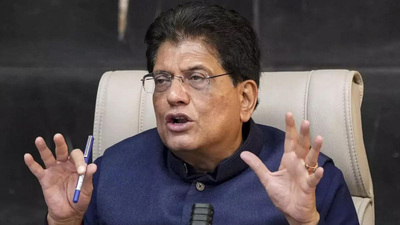
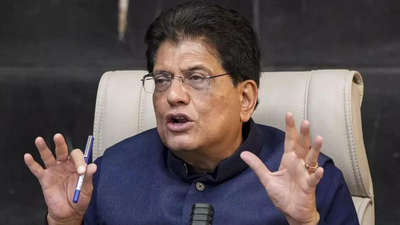
India on Thursday urged members of the World Trade Organisation (WTO) to restore a fully functional dispute settlement system, saying the current mechanism has deprived countries of effective redressal, PTI reported.Speaking on the opening day of the WTO’s 14th ministerial conference (MC14) in Yaounde, Cameroon, commerce and industry minister Piyush Goyal stressed the need to revive the automatic and binding nature of dispute resolution within the global trade body.“A dysfunctional Dispute Settlement System has deprived Members from effective redressal. We must restore the automatic and binding dispute settlement system,” he said.The WTO’s dispute settlement mechanism has faced prolonged disruption since 2009 after the US blocked appointments to the Appellate Body.Goyal also called for a reassessment of the moratorium on customs duties on electronic transmissions, which WTO members have periodically extended since 1998. India has repeatedly raised concerns over the potential revenue implications of the arrangement.“In the absence of a common understanding among Members on the scope of the moratorium on customs duties on electronic transmissions and given its potentially significant implications, the continued extension of this moratorium warrants careful reconsideration,” he said.The four-day MC14 is scheduled to conclude on March 29.On broader WTO reforms, Goyal emphasised that any restructuring should be transparent, inclusive and member-driven, with development concerns at the centre. He underlined that core principles such as non-discrimination, consensus-based decision-making and equity must be upheld. The minister added that the principle of special and differential treatment (S&DT) should be made precise, effective and operational.On agriculture negotiations, he said a permanent solution on public stockholding for food security purposes, the special safeguard mechanism and cotton are long-pending mandated issues that member countries “must deliver on them on priority”.“India remains committed to negotiating a comprehensive Fisheries Subsidies Agreement that balances current and future fishing needs, protects the livelihoods of poor fishers, with appropriate and effective S&DT,” Goyal said.He also stated that incorporating plurilateral outcomes into the WTO framework should be based on consensus and should not undermine the rights of non-participants or impose additional obligations on them.“We will engage constructively to show that WTO remains central to global trade and strive to Reform it to remain responsive, Perform in delivering on development, equity, and inclusiveness, and Transform to better serve the interests of the poor, vulnerable, and marginalized people, anchored in consensus and multilateralism,” he said.Other WTO members also highlighted the need for reforms. According to a statement from US Trade Representative Jamieson Greer, the organisation has struggled to address systemic issues such as persistent trade imbalances, structural excess capacity, economic security and supply chain resilience.“As ministers, our focus should be on reforms that would make the WTO more responsive to Members and improve our ability to achieve outcomes that optimize our trading relationships,” Greer said, adding that countries should consider making the e-commerce duty moratorium permanent.Separately, a ministerial statement by the G-33 grouping of developing countries reiterated that public stockholding for food security remains a crucial policy tool for developing and least developed nations.“We urge all WTO Members to work together in reaching a permanent solution on this issue as per the Ministerial mandates,” the statement said.China also called for restoring a fully functioning dispute settlement mechanism at the earliest to strengthen the WTO’s role in global economic governance. The UK said it wanted to “improve accountability by reinstating a functioning dispute settlement system”.EU trade commissioner Maros Sefcovic warned that inaction could weaken the rules-based trading system. “Maintaining the status quo is not an option — we cannot go on as we are. If we do, we risk erosion of the rules-based system and the WTO sliding into irrelevance. Therefore, I strongly believe we must act urgently to reform the WTO,” he said