
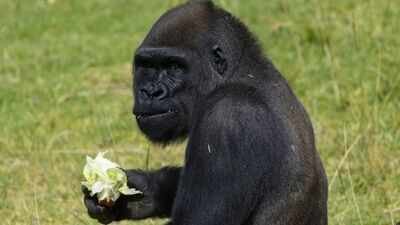
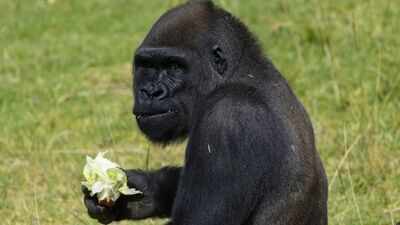
A 12-year-old western lowland gorilla at the San Diego Zoo Safari Park has undergone what experts believe is the first reported skull surgery of its kind ever performed on a gorilla. The groundbreaking procedure was carried out after veterinarians discovered a serious infection in the bone behind the animal’s ear that had spread into parts of his skull, according to the San Diego Zoo Wildlife Alliance. The patient, a male gorilla named Mizani, was treated through a complex surgical procedure known as a mastoidectomy, which involves removing infected portions of the mastoid bone located behind the ear. The operation was performed through a collaboration between wildlife health experts at the San Diego Zoo Safari Park and surgeons from UC San Diego Health.
Unusual symptoms led to diagnosis
The medical journey began in March 2026 when wildlife care specialists noticed changes in Mizani’s behaviour. He appeared reluctant to open his mouth fully, was eating less than usual and showed signs commonly associated with head pain, including holding his head and squinting his eyes. Concerned by these symptoms, veterinarians conducted a CT scan at the Safari Park’s Harter Veterinary Medical Center.The scan revealed that Mizani was suffering from sinusitis as well as mastoiditis, an infection affecting the large bone behind the ear. While mastoiditis can occur in both humans and gorillas, the condition is rarely documented in great apes. Based on the extent of the disease, wildlife health experts believe the infection may have developed before Mizani arrived at the Safari Park in November 2024. Because the infection had spread into parts of the skull, veterinary teams determined that surgery offered the best chance of recovery. However, a significant challenge existed: experts could find no published scientific record of a mastoidectomy ever being performed on a gorilla.
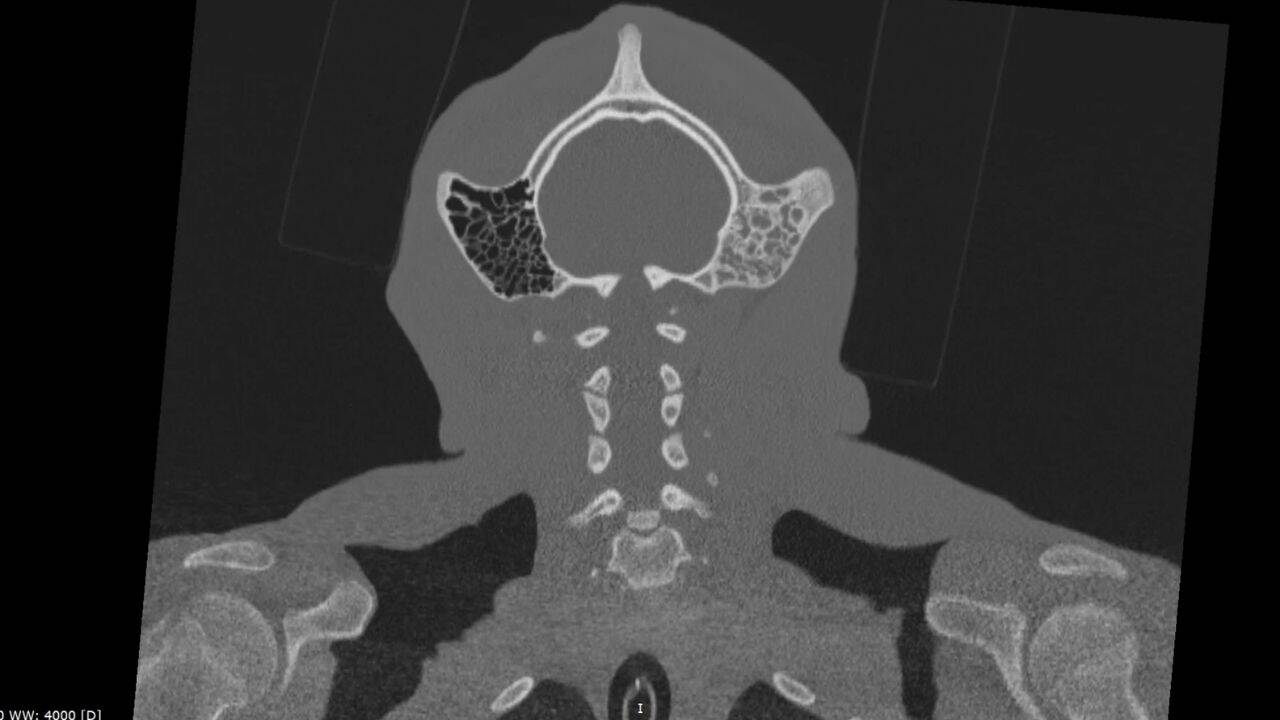
Image Credit: San Diego Zoo Wildlife Alliance
A pioneering operation
To tackle the unprecedented case, the zoo assembled a multidisciplinary team that included veterinarians, wildlife care specialists, registered veterinary technicians and surgeons from UC San Diego Health. Among them were otolaryngologist-head and neck surgeon Dr. Jeffrey Harris and resident fellow Dr. Kris Suresh, who brought extensive experience in skull-base and ear surgeries performed on human patients. While gorillas have similar anatomy as humans, the differences between them were such that copying existing procedures was not possible. Analysing the CT scans took considerable time to devise an appropriate technique suited to Mizani’s anatomy.During the procedure, surgeons made an incision along the left side of Mizani’s head to access the infected area. They drained the infection, removed diseased portions of the mastoid bone and surrounding tissue, and carefully closed the surgical site. The operation lasted approximately five hours from the induction of anaesthesia through recovery and involved more than 20 professionals from both organisations.According to Dr. Harris, the team relied heavily on expertise developed through complex human skull and ear surgeries but had to adapt their techniques to account for the unique anatomical features of a gorilla. The absence of previous documented cases added another layer of complexity to the procedure.
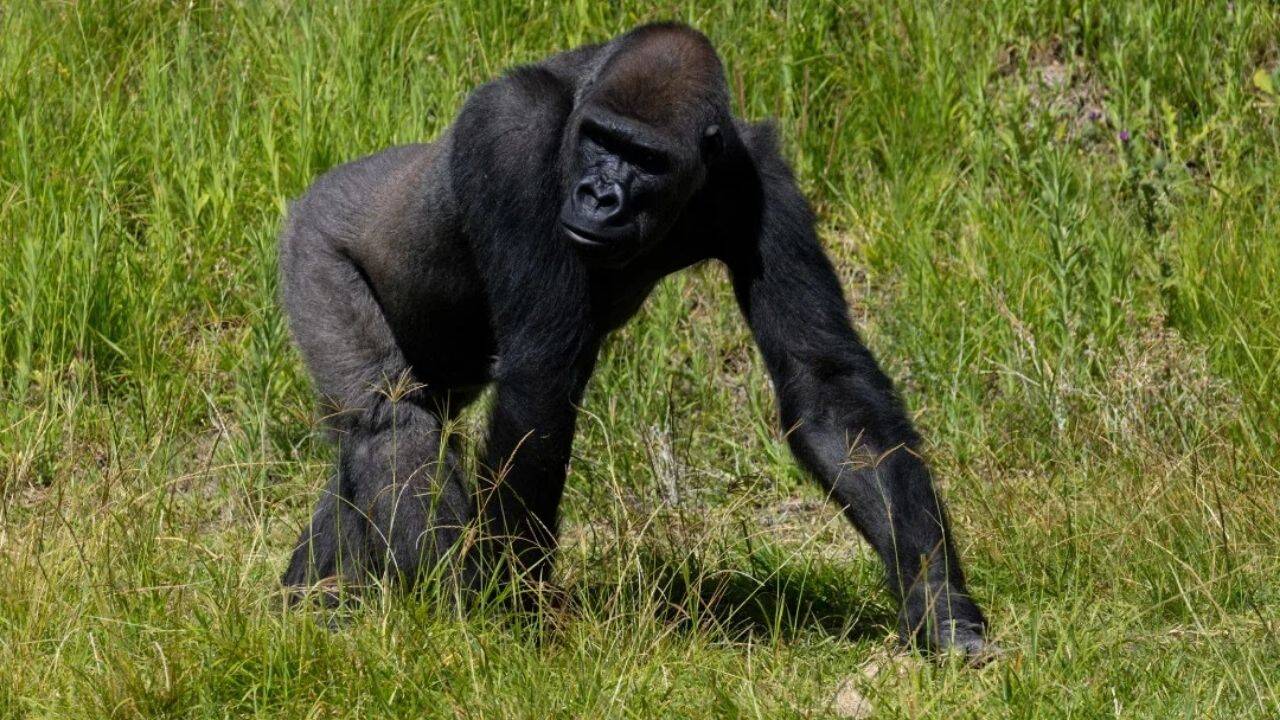
Image Credit: San Diego Zoo Wildlife Alliance
A milestone for wildlife medicine
The successful surgery highlights the growing collaboration between human medicine and wildlife healthcare. San Diego Zoo Wildlife Alliance has a long history of partnering with medical specialists on challenging cases, but officials believe this operation represents a significant milestone because of its unprecedented nature.Ryan Sadler, senior veterinarian at the San Diego Zoo Safari Park, described the case as particularly unique because mastoid disease is rarely seen in gorillas. The experience provided valuable insights not only for treating Mizani but also for future wildlife medical care involving great apes and other species.Since then, Mizani has been recuperating well, due to the careful monitoring by the veterinary staff. The western lowland gorilla population is categorised as critically endangered. In this regard, any new development in veterinary medicine is highly significant for the conservation of the species.For the team involved, the operation was more than just a surgical success. It was an example of how collaboration between human healthcare professionals and wildlife experts can push the boundaries of medicine while improving the lives of animals in human care. And for Mizani, it has offered a second chance at a healthy future after surviving what may be the world’s first reported gorilla mastoidectomy.