What was once a utilitarian patch of ground beside an Alaska visitor center is now becoming part of the landscape again. At Lake Clark National Park and Preserve, a young conservation crew has spent the summer replacing an old fuel-tank farm with trails, vegetation and safer spaces for visitors. According to the latest news release by National Park Service, the project at Port Alsworth comes as more people are discovering the remote national park. By August 2026, visitation was already 43% higher than during the entire 2024 season, the last year the park operated fully.
From fuel storage to public space
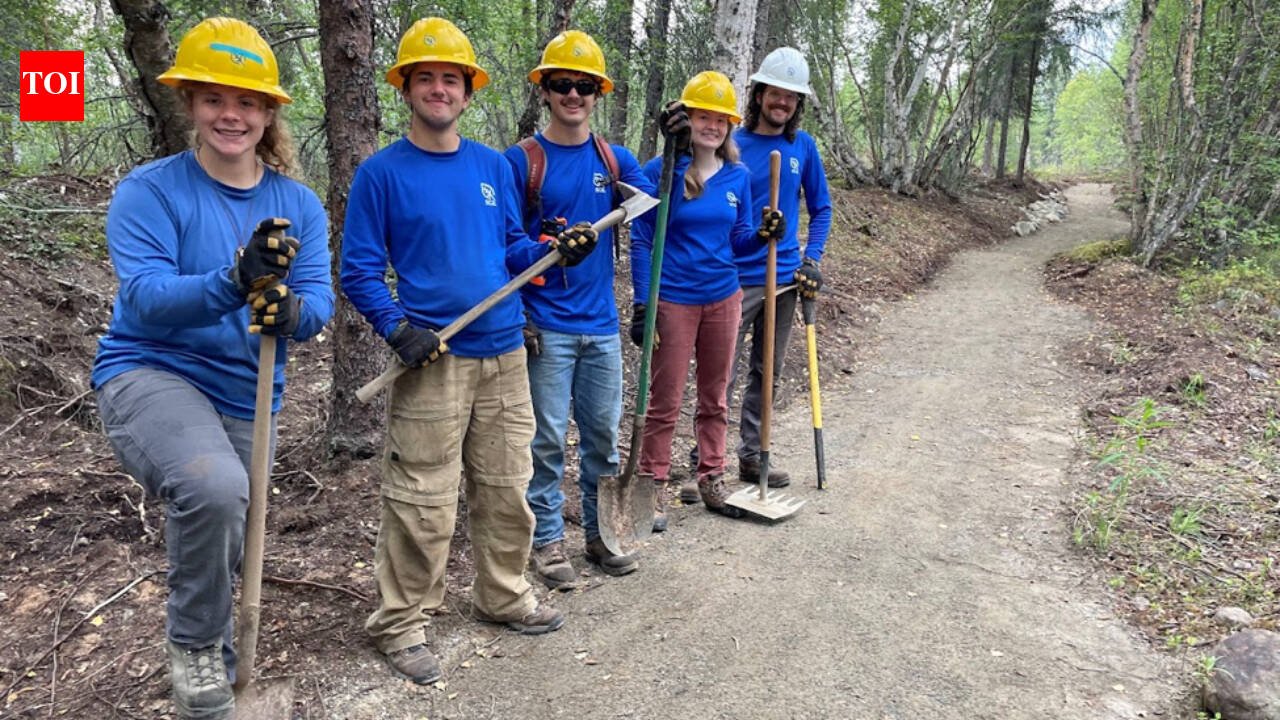
The restoration focused on roughly 15,000 square yards beside the Port Alsworth Visitor Center, states the news release. The area had previously been occupied by fuel tanks, leaving a landscape that was hardly suited to the growing number of visitors arriving at the park. Over 10 weeks, a Maintenance Action Team crew from the Student Conservation Association transformed the site. According to the report, one of the biggest changes was the construction of a new parking area, helping improve the flow of vehicles around the visitor center. The former tank farm was also revegetated, allowing the disturbed ground to begin blending back into its surroundings.The work was designed with more than appearance in mind. Better pedestrian routes and vehicle access are expected to make the area safer as visitor numbers continue to rise.
A new link into the park
The project also created about 500 feet of new pedestrian trail, connecting the visitor center with the Lakeview Tinitun trail and the broader trail network. That connection gives visitors a clearer route toward some of Lake Clark’s best-known hiking destinations, including the Tanalian Mountain and Tanalian Falls trails. The crew also maintained four miles of existing trails, ensuring that improvements extended beyond the immediate visitor-center area.
Young workers learn the trades
The restoration was carried out by a young adult Maintenance Action Team, a program that gives participants practical experience in traditional construction and maintenance skills, states the report. Working alongside National Park Service employees, crew members gained experience that ranged from trail maintenance to site construction and landscape restoration. The program serves a dual purpose: helping national parks complete demanding projects while introducing younger workers to trades that are increasingly important to the preservation of historic and natural places. For Lake Clark, that combination was particularly valuable. The project delivered immediate improvements to a heavily used visitor area while giving a new generation hands-on experience in maintaining public lands.
Preparing for a busier future
For the uninitiated, Lake Clark is one of Alaska’s more remote national parks, but its growing popularity is creating new demands on its infrastructure. The Port Alsworth restoration offers a practical response. An area once dedicated to fuel storage has been converted into a more welcoming gateway, with new vegetation, parking and trails guiding visitors naturally toward the park’s wider landscape. The transformation may not be the kind of dramatic change that dominates photographs of Alaska. Instead, its success lies in making the visitor experience feel more natural, safer and easier to navigate. For a national park facing a surge in visitors, that quiet improvement could prove just as important as the wilderness beyond the trailhead.Image Courtesy: National Park Service