An Australian family was forced to prepare for an auction after discovering that a narrow strip of land beside their rural property was not legally theirs, despite generations treating it as part of the farm. The land in Charleys Forest, near Braidwood in New South Wales, had remained registered to a man who died about 65 years earlier. When unpaid council rates finally brought the forgotten parcel to light, the family faced the unusual prospect of bidding to secure land they had long assumed belonged to them, according to ABC News.
Why did the Australian family have to bid for land they thought they owned
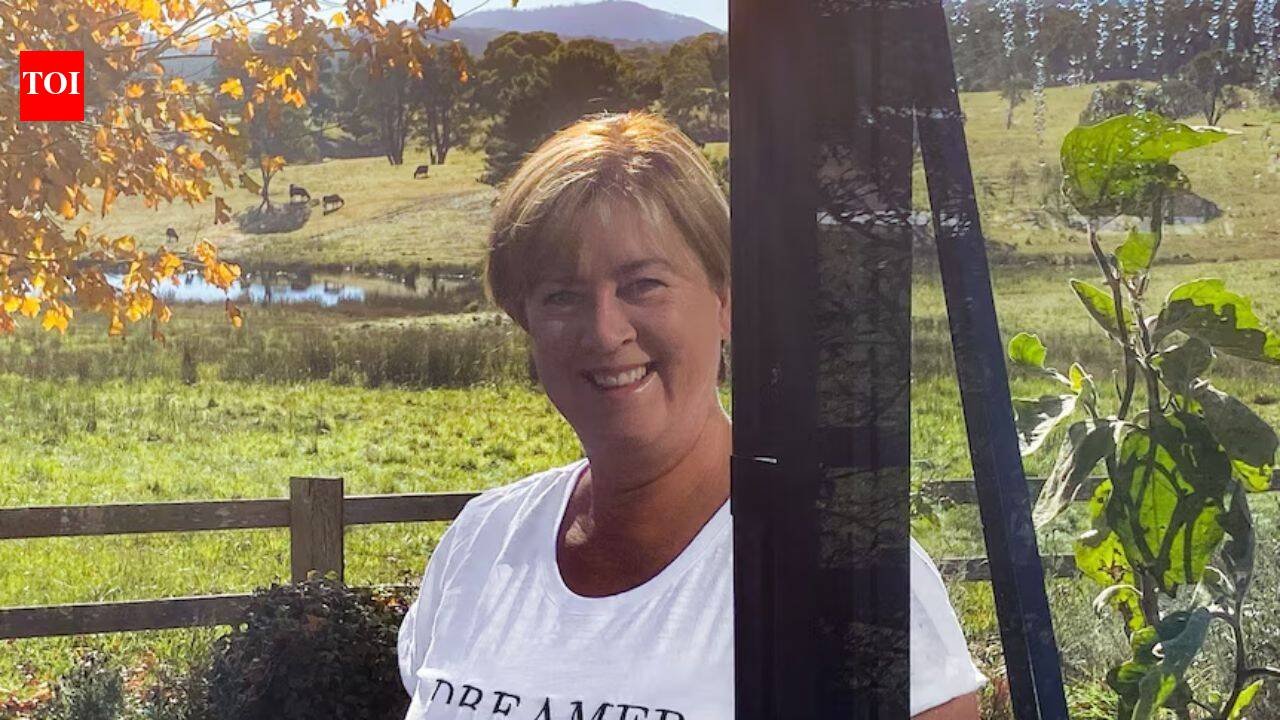
The parcel borders a farm owned by Gina Greentree and her husband and measures about 10 metres wide and 400 metres long. It has pine trees and a boundary fence, both added by a previous owner who had also assumed the strip formed part of the larger property.According to ABC News in its May 2025 report, the registered owner had been dead for 65 years, leaving the small piece of land sitting unused while generations of neighbouring owners treated it as part of their properties. The situation only became clear when the Queanbeyan-Palerang Regional Council moved to recover unpaid rates.The land was among 24 properties the council put up for auction after rates had gone unpaid for at least 5 years. The council was seeking to recover almost $20,000 in unpaid rates from the Charleys Forest parcel, even though its estimated value was only about $3,500.
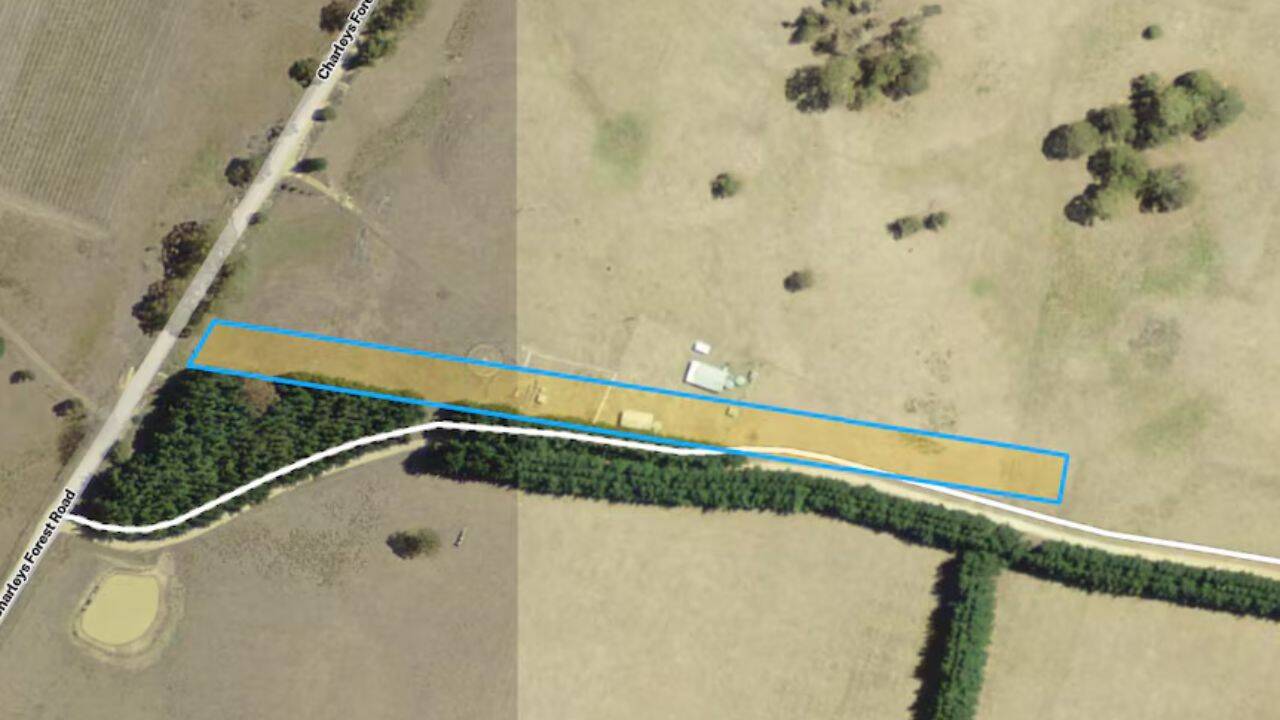
The lot up for auction that borders Gina Greentree’s property. Image Credit: ABC News
An old title became a problem decades later
The discovery exposed how small pieces of rural land can remain overlooked for generations. Many of the properties included in the council sale had title deeds dating back to the early 1900s.ABC News reported that the council had known about unpaid rates on the Charleys Forest property as early as 2013. However, the issue remained unresolved for years. Queanbeyan-Palerang Regional Council general manager Rebecca Ryan attributed the delay to limited resources and the merger of the former Queanbeyan City and Palerang councils in 2016.The council said the sale was part of an effort to deal with properties that had been missed over generations. As land records and maps were updated, small parcels that had previously gone unnoticed were being identified.For the Greentree family, the discovery came as a surprise because the land had effectively been treated as part of their farm for years. Gina Greentree told ABC News that she only learnt the parcel was being sold after seeing a council notice shared on a community Facebook page.
What made the auction more difficult for the neighbours
The family also had concerns about how the land was advertised. A title search contained photographs showing infrastructure on a neighbouring property, including cattle yards, horse round yards and shared water tanks. Greentree worried that someone bidding without understanding the exact boundaries could believe those facilities were included with the small parcel.The council acknowledged there had been confusion over the mapping and said it had met residents to clarify the boundaries.The auction itself was required because the council could not simply transfer the land privately to the adjoining property owner. Council officials said public auction was the legally required step before a private sale could take place.That requirement became much more significant when the May auction attracted far more interest than expected.
The auction changed the value of forgotten land parcels
The later ABC News report, published in June, 2025, showed that the auction produced unexpectedly strong competition. Peter Marshall, a forest farmer near Braidwood, had a similar problem involving a small section of land running through his property.Marshall had bought his farm in the 1990s and spent years developing it into a truffle and forest farm. He believed a section of his driveway was included in the purchase. Instead, a roughly four-metre-wide strip extending a couple of hundred metres remained registered to a man who had died 65 years earlier.The rates on that small parcel had gone unpaid for decades, building up a debt worth tens of thousands of dollars. Marshall only learnt about the ownership issue about a month before the auction, after a neighbour contacted him.Marshall expected the auction to be straightforward because the land was of little practical use to outsiders. The parcel had no building entitlement, water or electricity connection and was effectively landlocked. His main reason for bidding was to make sure he retained control of the route into his property.ABC News reported that 87 people registered to bid across the 24 properties. Marshall eventually paid $19,000 for the section of land along his driveway. Other neighbours paid even more for similar parcels, while some could not afford to keep bidding. One 400-square-metre property in Mongarlowe that the council expected might sell for around $500 to $1,000 eventually reached $18,100.
Concerns related to the unexpected bidding
The auction raised concerns about how such forgotten properties should be handled. ABC News reported that 7 buyers later withdrew from their purchases and forfeited their deposits. In those cases, the council negotiated private sales with adjoining landholders.Council officials also reported concerns about people attending rural land auctions across New South Wales and bidding on multiple properties. The council said it would review the auction process, while councillor Mareeta Grundy called for an investigation into the bidding activity.The council also considered seeking a change to state legislation. Rebecca Ryan said a possible change could allow small parcels that form part of a larger farming property to be sold directly to the adjoining landholder rather than forcing them through a public auction.