
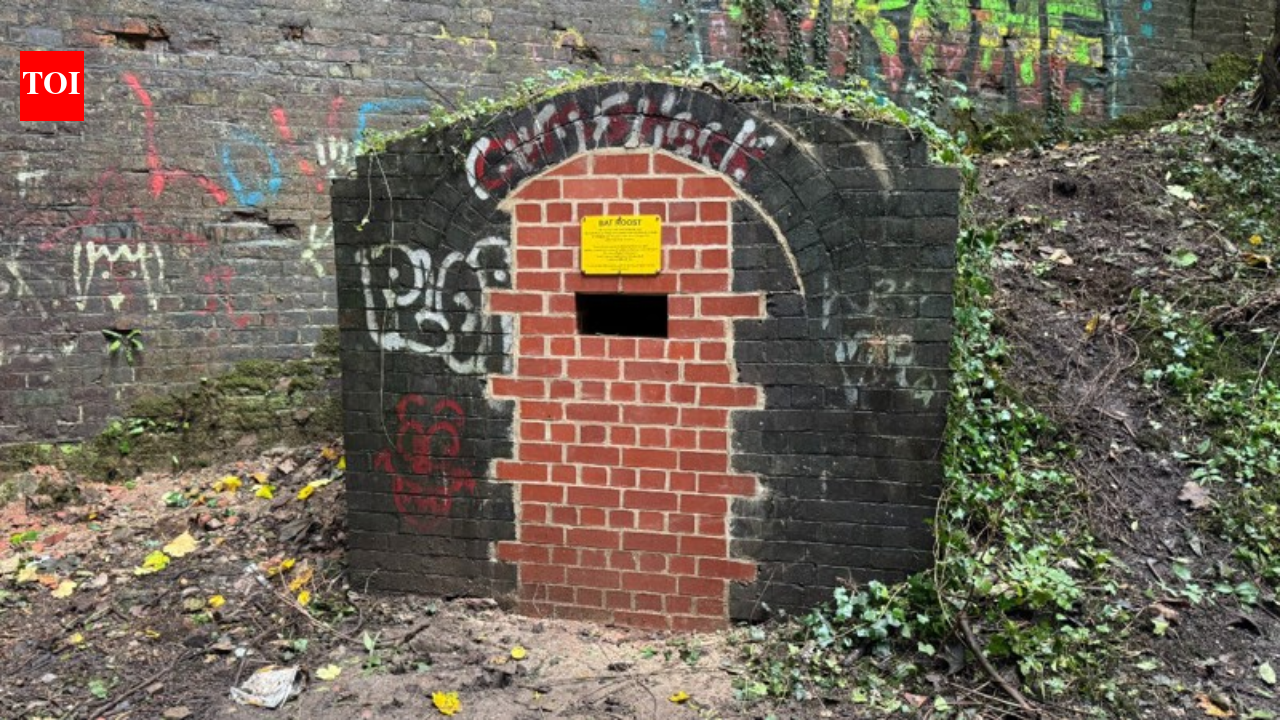
A disused railway fogging hut beside a tunnel in the Cotswolds countryside, a type of structure dating back almost 200 years, has been converted into a dedicated bat shelter after a whiskered bat was found hibernating inside. The conversion turns an overlooked piece of working railway heritage into a hibernaculum, a safe place where bats can spend the winter, and a summer roost as well. National Highways, which looks after the site as part of its historical railways estate, expects the improvements to encourage more bats to settle there in the years ahead, supporting its wider work to protect biodiversity.
The whiskered bat found hibernating in a historic railway fogging hut
A whiskered bat, a small species found in Britain, was discovered hibernating inside the disused hut during an ecological survey in autumn 2024, according to National Highways. The discovery surprised the team because the hut was in poor condition, with graffiti-covered walls and openings that left it exposed to the elements. Whiskered bats are among Britain’s native bat species and use sheltered spaces to roost and hibernate through the colder months. Finding one inside the abandoned railway structure prompted the team to explore how it could be adapted to provide safer, more suitable conditions for bats in winter and summer.
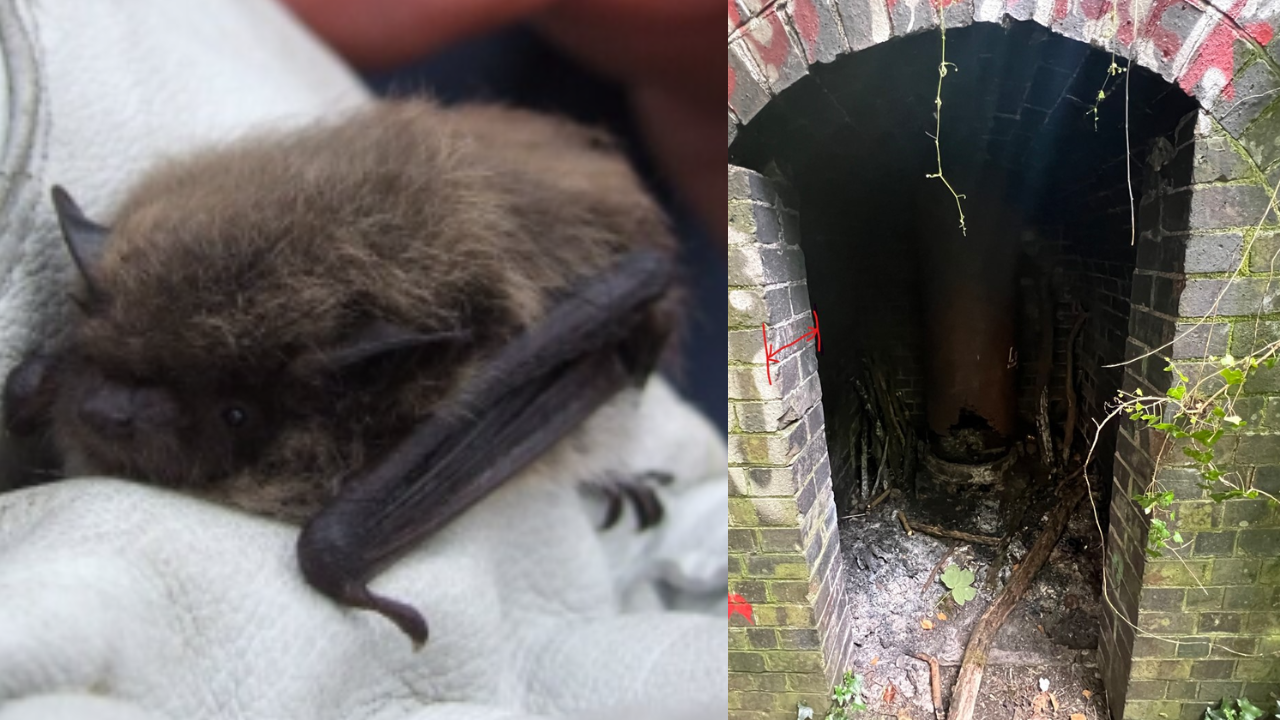
A whiskered bat (Image: National Highways)
How a minor tunnel repair survey uncovered a hibernating bat in a graffiti-covered railway hut
In autumn 2024 a tunnel was due to receive minor repairs, and the ecological survey carried out by partner Jacobs revealed an old, disused hut beside it. The hut was not part of the planned works, but the team checked it anyway. An ecologist working on the site said in comments published by National Highways that the discovery was a surprise, because the structure was in poor condition. Children had clearly been messing about in it, graffiti covered the walls and it was open to the elements, whereas bats usually “prefer somewhere that is more enclosed”.
How builders turned an exposed hut into a safe hibernation home
The tunnel works were completed under a bat licence, and the team decided that a few enhancements could turn the hut into a lasting home for bats. When the construction crew began, they found an old chimney inside, which left a hole in the roof where smoke once escaped. Large roof openings let in air and water, and hibernating bats prefer humidity and a stable low temperature, so the chimney was removed and the top sealed over. The entrance was bricked up, leaving a small post box-style opening near the top. Bats can fly in and out easily, while people and predators cannot disturb them.
Clear corrugated sheeting inside the hut for roosting bats and a window for ecologists
Inside, the team fitted corrugated sheeting at varying heights, improving the chance that bats find suitable conditions. Some species, known as crevice-dwelling bats, like to crawl behind gaps to roost, and the grooves of the sheeting provide exactly that. Because the material is clear, ecologists can look inside in future to see whether the bats are using their new home and to monitor them. The ecology team will keep checking the hut over the coming months and years, helping to protect Britain’s native species.