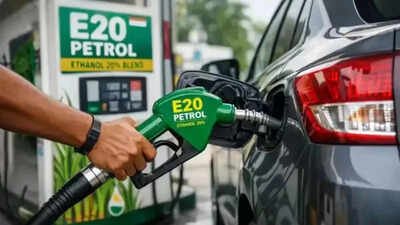
NEW DELHI: The petroleum ministry on Saturday rejected Karnataka’s allegations of excessive ethanol content in petrol sold at some retail outlets, saying tests conducted by state-run oil companies found all 893 samples collected across 27 states and Union territories compliant with prescribed quality standards. The findings included 56 samples from Karnataka, which recorded ethanol content between 19 and 20 per cent.In a statement, the ministry said Indian Oil Corporation (IOC), Bharat Petroleum Corporation (BPCL) and Hindustan Petroleum Corporation (HPCL) tested the samples and found ethanol levels within the prescribed 19-21 per cent range under the Bureau of Indian Standards’ IS 17021 specification. The Karnataka samples had an average ethanol content of 19.30 per cent, it added, news agency PTI reported.The findings contradict Karnataka’s statement, which claimed that samples collected from certain fuel stations in October 2026 contained 26-31 per cent ethanol.The three oil marketing companies (OMCs) have questioned the state’s sampling and testing procedures, saying the results cannot be independently verified without complete documentation and compliance with prescribed statutory procedures. They said they were not provided with retention samples, outlet-wise details or complete laboratory reports despite seeking them through the state level coordinator.The companies also flagged discrepancies in certificates issued by a third-party laboratory, arguing that the documents did not specify the test method, dilution procedure or reference material used to determine ethanol content through Gas Chromatography. They have sought access to counterpart samples for independent testing at an authorised laboratory in the presence of state officials and OMC representatives.The controversy comes amid concerns over the nationwide rollout of E20 petrol, which contains 20 per cent ethanol, including questions about vehicle mileage, engine compatibility and repair costs. The ministry said the impact on mileage varies according to vehicle category and engine calibration. Vehicles calibrated for E20 could see a reduction of around 1-2 per cent, while some other vehicles could experience a decline of 3-6 per cent.The OMCs have also disputed estimates that E20 could result in annual mileage losses worth Rs 62,000 crore and vehicle repair expenses of Rs 39,000 crore. They said applying a blanket assumption of 10 per cent mileage loss across all vehicles was not scientifically established and sought supporting performance data and repair-cost records.Defending the programme, the ministry cited its contribution to energy security, lower crude oil imports and agricultural incomes. Since the 2014-15 ethanol supply year, the initiative has resulted in foreign exchange savings of more than Rs 1.97 lakh crore, substitution of approximately 316 lakh metric tonnes of crude oil and payments exceeding Rs 1.66 lakh crore to farmers, according to ministry figures.The OMCs said more than 30 crore two-wheelers and four crore four-wheelers have been using E20 fuel for over three years, with no reported widespread vehicle breakdowns attributable to fuel quality. They also rejected suggestions that they had a commercial incentive to exceed prescribed ethanol blending levels, saying additional procurement would increase their costs.