
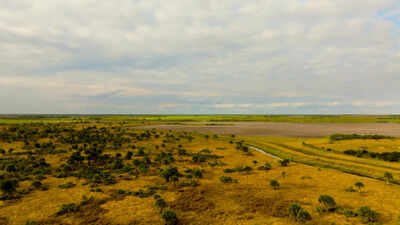
Florida’s landscape is more than its beaches, bustling cities and sprawling neighbourhoods. Beyond the familiar picture of the Sunshine State lies another Florida, one made up of cattle ranches, open grasslands, working farms, pine forests and wetlands that quietly sustain its agricultural economy and natural ecosystems. But as towns expand and development reshapes the landscape, these stretches of rural land face an increasingly important question: how can they continue to support agriculture without eventually being swallowed by urban growth?The answer, at least in part, lies in protecting the land without taking it away from the people who work on it. Instead of purchasing entire properties and turning them into government-owned conservation areas, Florida has been using conservation easements to permanently restrict future development while allowing existing farming, ranching and timber operations to continue. It is an approach that attempts to preserve both the state’s agricultural livelihoods and the natural landscapes surrounding them.In its latest move, Florida has approved the protection of more than 50,000 acres of working agricultural land across six properties, including a 19,312-acre cattle and farming operation near the Everglades that will receive a $77.75 million conservation easement. According to the Florida Department of Agriculture and Consumer Services (FDACS), the approvals were announced on November 17 through the state’s Rural and Family Lands Protection Program, taking the total area protected under the initiative to more than 308,000 acres.
A $77.75 million conservation easement for a 19,312-acre cattle property
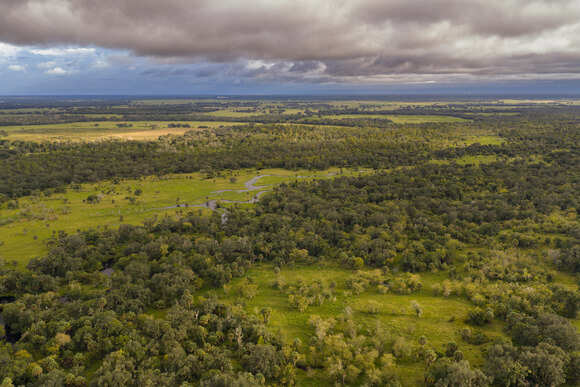
Image courtesy of Carlton Ward Jr./Wildpath via fdacs.gov
Among the properties receiving protection is Osceola Prairie, an approximately 19,312-acre cattle and farming operation in Osceola County. The property will be protected through a $77.75 million conservation easement, which includes $15 million in funding from the US Department of Defense’s Readiness and Environmental Protection Integration Programme.Located within the Kissimmee River Basin and the Northern Everglades ecosystem, the property includes pastures, wetlands, forests and natural prairie habitats. It also has seven centre-pivot irrigation systems used to grow field crops and hay for its cattle operation.The property is surrounded by several conservation areas, including Kissimmee Prairie Preserve State Park along its southern boundary. It is also located less than a mile from the Avon Park Air Force Range, making its protection relevant to the surrounding landscape and military installation.
Six properties and more than 50,000 acres protected
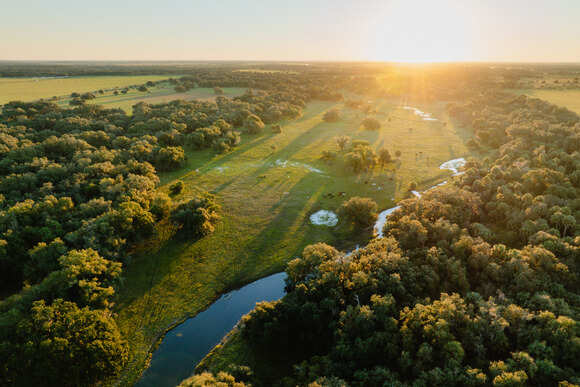
Image courtesy of Drew McDougall/Wildpath via fdacs.gov
The approvals cover a range of agricultural and timber operations across Florida. These include the 10,208-acre Hill Grade Tract in Hendry County, which will receive a $46 million conservation easement. The land is primarily used for vegetable and row crop cultivation and helps connect existing protected areas, providing habitat support for the endangered Florida panther.Other projects include Spanish Trails Land and Farming, a 6,058-acre cattle ranch across Charlotte and DeSoto counties, and Pine Level Ranch, a 7,057-acre citrus and cattle operation across DeSoto and Hardee counties. Their conservation easements are valued at $33.3 million and $33.8 million, respectively.The remaining two properties are timber operations: the 4,668-acre Donaldson Tract in Alachua County and the 3,370-acre Loveridge property in Leon County. Both are being protected through conservation easements.All six properties are located within the Florida Wildlife Corridor and participate in the state’s agricultural Best Management Practices programme.
How conservation easements protect agricultural land
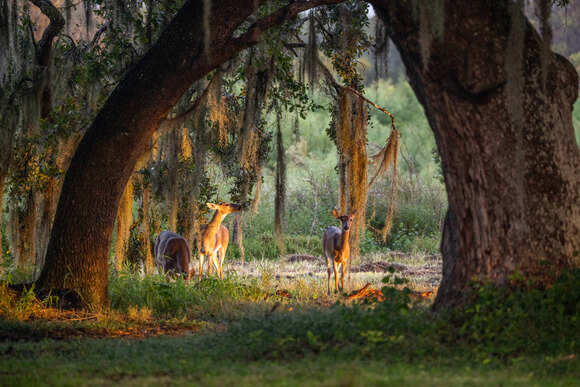
Image courtesy of Lauren Yoho/Wildpath via fdacs.gov
Under the Rural and Family Lands Protection Program, the state purchases development rights through conservation easements. This prevents the land from being converted for future development while allowing its owners to retain ownership and continue approved agricultural activities.The programme was established in 2001 to protect Florida’s working agricultural lands as they face increasing pressure from development. The state legislature allocated $425 million to the programme in its 2026–27 budget, including funding specifically for larger conservation projects.According to FDACS, more than 243,000 acres have been permanently protected during Commissioner Wilton Simpson’s administration. The latest approvals mark another milestone for the programme, which aims to preserve agricultural production while protecting natural resources and wildlife habitats.As Florida continues to grow, the challenge will be to make room for expanding communities without losing the agricultural landscapes that have long shaped the state. Protecting these properties through conservation easements offers a way to keep that balance, allowing ranches and farms to remain productive while safeguarding wetlands, wildlife habitats and open spaces from future development. The latest approvals are a reminder that conservation does not always mean leaving land untouched; sometimes, it means ensuring that the people who work the land can continue doing so for generations to come.