After decades of environmental decline, Florida’s Indian River Lagoon is beginning to show signs of recovery. With funding from NOAA Fisheries’ Office of Habitat Conservation, the Indian River Lagoon Council is leading a system-wide effort to restore the habitats that once sustained the lagoon’s fish and wildlife. A team of three scientists and one fisherman are tackling the challenges of restoring four critical habitat types: coquina rock reefs, shellfish beds, seagrass meadows, and wetlands.
Super clams and a missing species
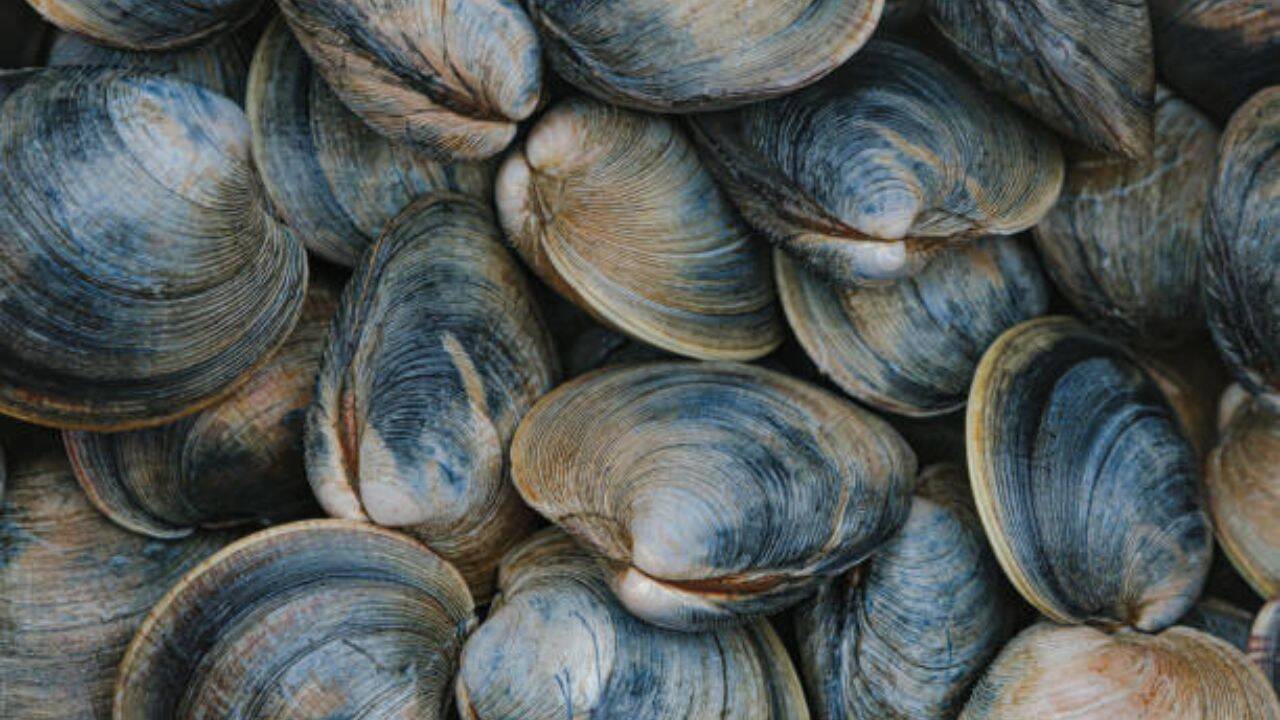
Back in the 1990s and early 2000s, the Indian River Lagoon sustained an abundance of clams
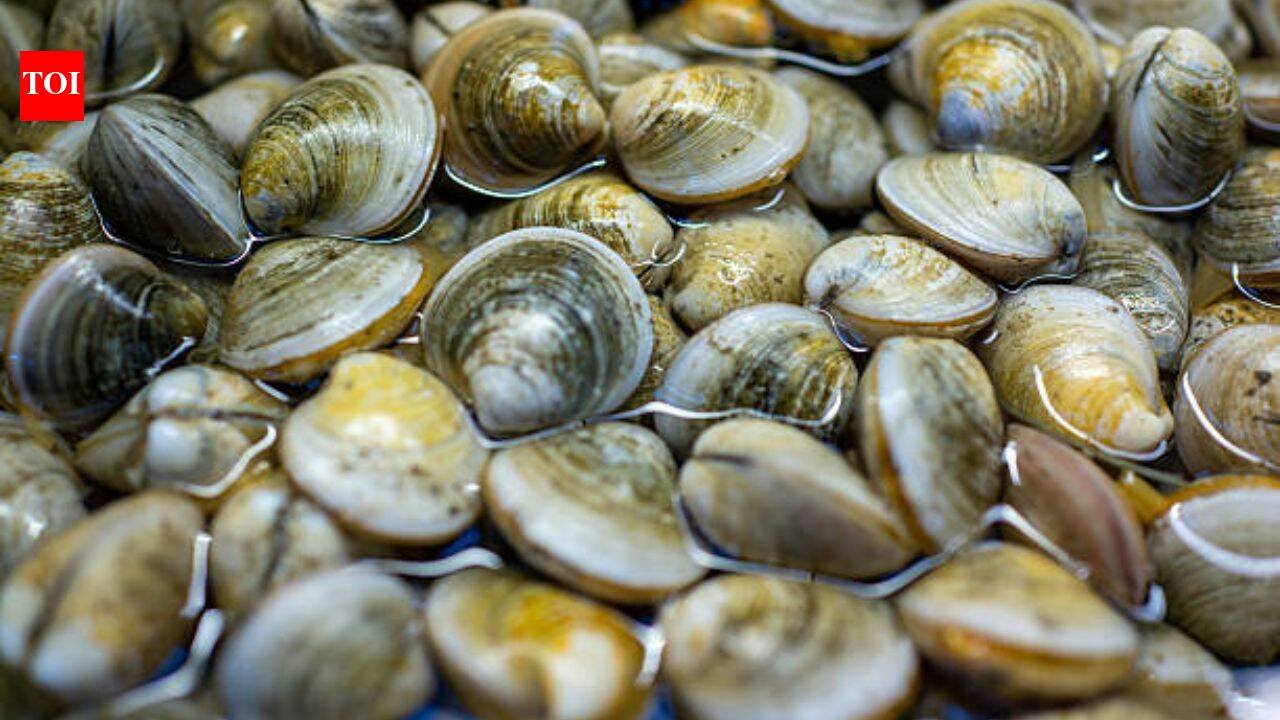
Back in the 1990s and early 2000s, the Indian River Lagoon sustained an abundance of clams. “If you wanted clams, you could jump out of your boat anywhere in the lagoon and harvest them by the bucketful,” said University of Florida professor Todd Osborne, who is leading clam restoration efforts for the NOAA-funded project.They supported a multi-million dollar fishery and helped keep the lagoon clear by filtering out the algae. Beyond serving as food for people and marine animals, clams also make food for other species. When clams are full from filtering, they spit out “pseudo faeces,” which are essentially little bundles of algae and food particles. Shrimp, crabs, and fish gobble up these highly nutritious snacks.However, by the 2010s, overharvesting and a series of massive algal blooms caused what Osborne called “a kind of environmental apocalypse.” Clams went virtually extinct in the Indian River Lagoon. So much so that in 2018, Osborne and his research team searched the lagoon for surviving clams. After 8 weeks, they found just 39, all adults of similar size and age.“These 39 clams represented a genetic opportunity,” Osborne said. “We could capitalise on the unique traits that allowed these individuals to survive. We spawned the adults and got 40 million larvae.” And so, the “super clam” was born—a name coined by a retired restaurateur friend of Osborne to help the project gain traction outside the lab. It worked.Osbourne and his team have since grown and outplanted 65 million juvenile seed clams and adults in the lagoon. Monitoring shows that about half of the outplanted adult clams survived after two years, while 10 to 13 per cent of seed clams survived after a year.
Looming threat
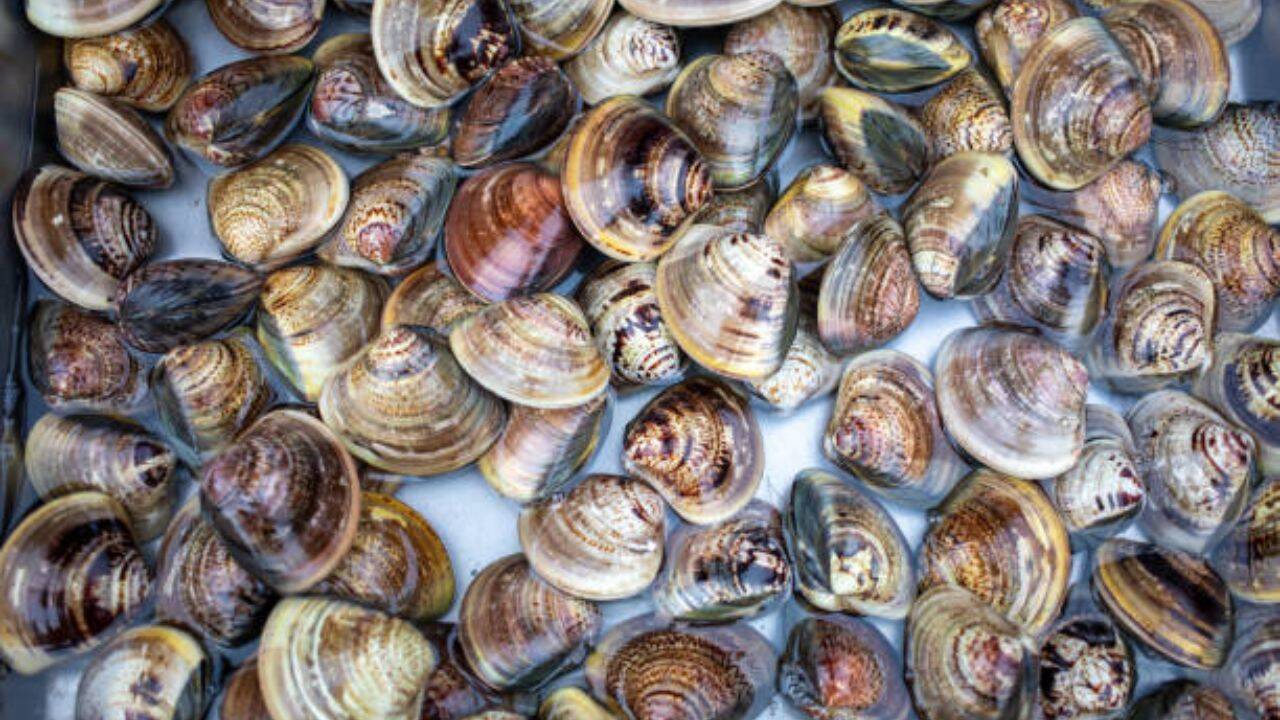
The primary threat to clams is the influx of freshwater from stormwater and agricultural runoff and other sources. Clams require brackish water with a salinity of 18 to 35 parts per thousand.
The primary threat to clams is the influx of freshwater from stormwater and agricultural runoff and other sources. Clams require brackish water with a salinity of 18 to 35 parts per thousand. If influxes of freshwater drop the salinity for several days, clams can die.Through data analysis and trial and error, Osborne’s team mapped areas where clams have a higher chance of survival. Under the NOAA award, Osborne helped select two sites for outplanting 21 million clams. So far, the team has released 7 million seed clams and 2 million adults near Stuart, Florida.Despite the challenges, Osborne remains hopeful. Local governments are developing solutions to issues such as stormwater runoff and septic tank leakage. One county is paying homeowners to convert their septic systems to sewer systems.“We’re making progress and doing something positive,” Osborne said. “This isn’t rocket science. If we have the will, we can use science and engineering to solve the lagoon’s problems.”