
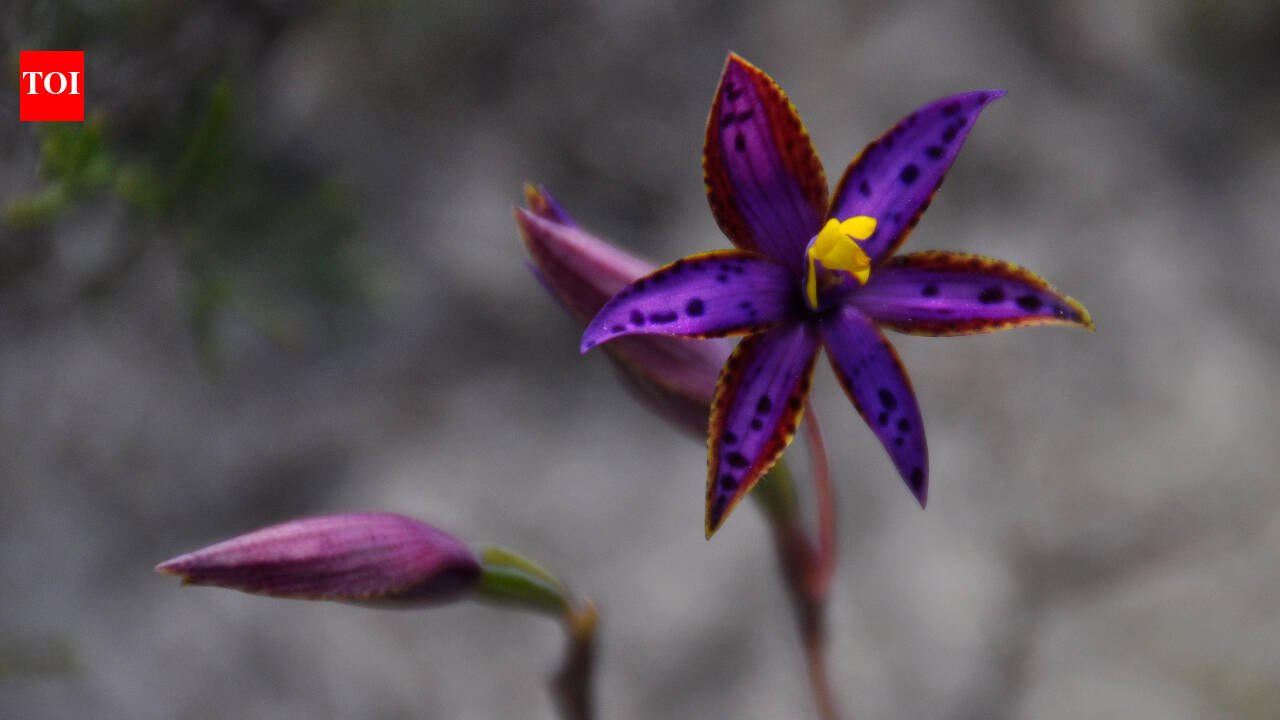
Science and innovation can do wonders that are even beyond the cource of nature. The future of an entire species sometimes depends on something so small it’s almost invisible. Wondering what and how? Well, conservation scientists in a Kings Park (Western Australia) laboratory took one single microscopic seed from one of the world’s rarest orchids and attempted the impossible. According to the latest report by ABC News, five years later, that little seed has grown into over 1,000 healthy plants. Now, the first cloned orchid has bloomed for the first time. The breakthrough offers new hope for the critically endangered Queen of Sheba orchid, a spectacular wildflower teetering on the brink of extinction for decades.
A flower at the edge
One of Western Australia’s most iconic native plants is the Queen of Sheba orchid, but it is also one of the rarest. Fewer than 30 plants remain in the wild, growing along a narrow stretch of coast between Perth and Bunbury in the state’s southwest. The situation is so desperate that all known wild plants are protected by fencing and are under continuous CCTV surveillance to prevent damage and theft. The very small surviving population of the orchid has presented scientists with huge challenges to study the orchid without further endangering the remaining plants.
The cloning breakthrough
Now a team at the Botanic Gardens and Parks Authority (BGPA) at Kings Park has made a major breakthrough using somatic embryogenesis, a laboratory propagation technique. Scientists can clone plants with it, starting with one seed and making as many genetically identical offspring as they want. Senior plant breeder Digby Growns said the process transformed what was previously considered almost impossible.” From that one seed we now have over a thousand plants and that’s really making our ability to do research on this plant and hopefully put it back in the wild a reality,” he said. The technique was already being used in the BGPA’s ornamental plant breeding program before being adapted for the Queen of Sheba orchid by researchers in 2021.
Solving a long-standing conservation puzzle
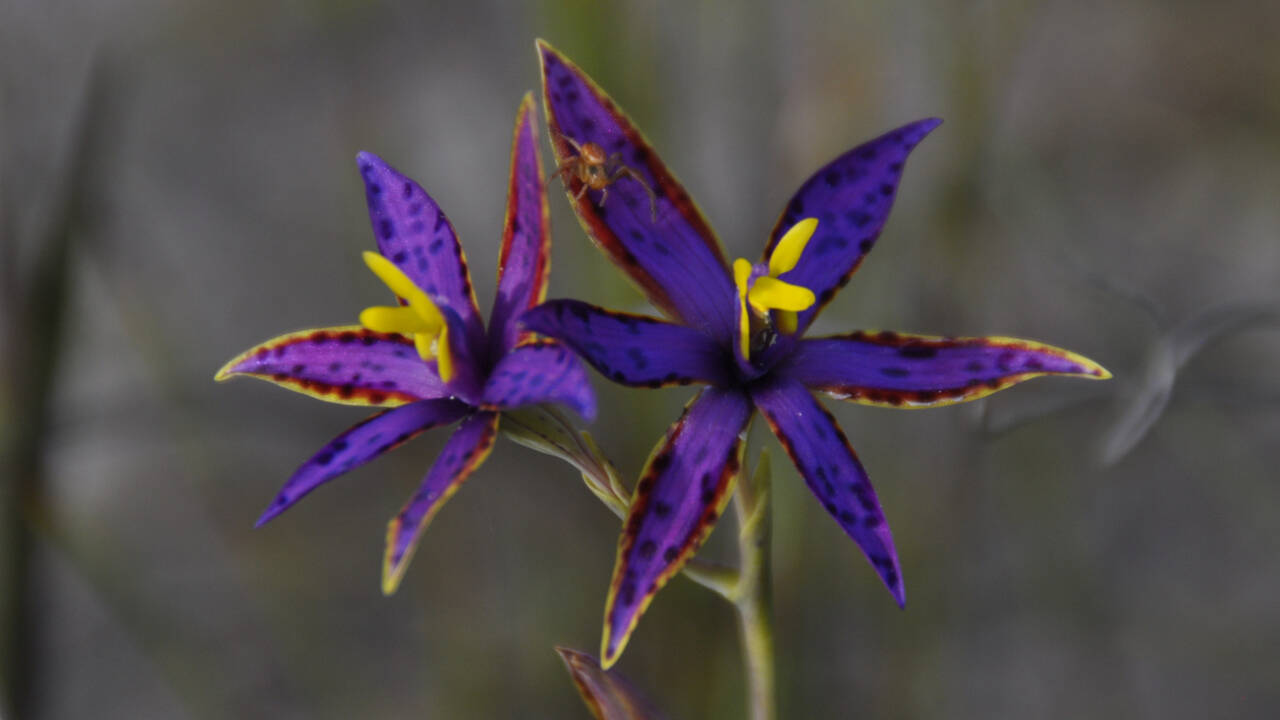
Only a tiny fraction of seeds grow into flowering plants and maybe one in 20,000, one in 50,000 seeds actually grow to be a mature plant.
Traditional propagation has offered little hope for the species. According to the report, Growns said only a tiny fraction of seeds grow into flowering plants and maybe one in 20,000, one in 50,000 seeds will actually grow to be a mature plant. There were few opportunities for scientists to develop conservation strategies with so few orchids left to study. The cloning program has changed that, providing researchers with enough healthy plants to do studies while protecting the rest of the wild population. Growns believes the technique could be the key to saving the orchid from extinction.
The first flower gives new hope
According to experts, one milestone stood out above the rest and that was the first cloned Queen of Sheba orchid. The bloom was years of patient work paying off on the research team. Besides being beautiful, the flowering plant also led to another important finding. Cloned orchids mature much faster than traditionally grown orchids.
Larger plants, faster growth
Orchid research scientist Belinda Davis said the cloned orchids took a little over three years to reach flowering stage – about half the time needed through conventional propagation. The plants are also testing out a lot stronger. The researchers have managed to grow orchids with tubers up to ten times larger than those grown traditionally, producing healthier plants that have a better chance of surviving once reintroduced into their natural habitat.
The next Challenge
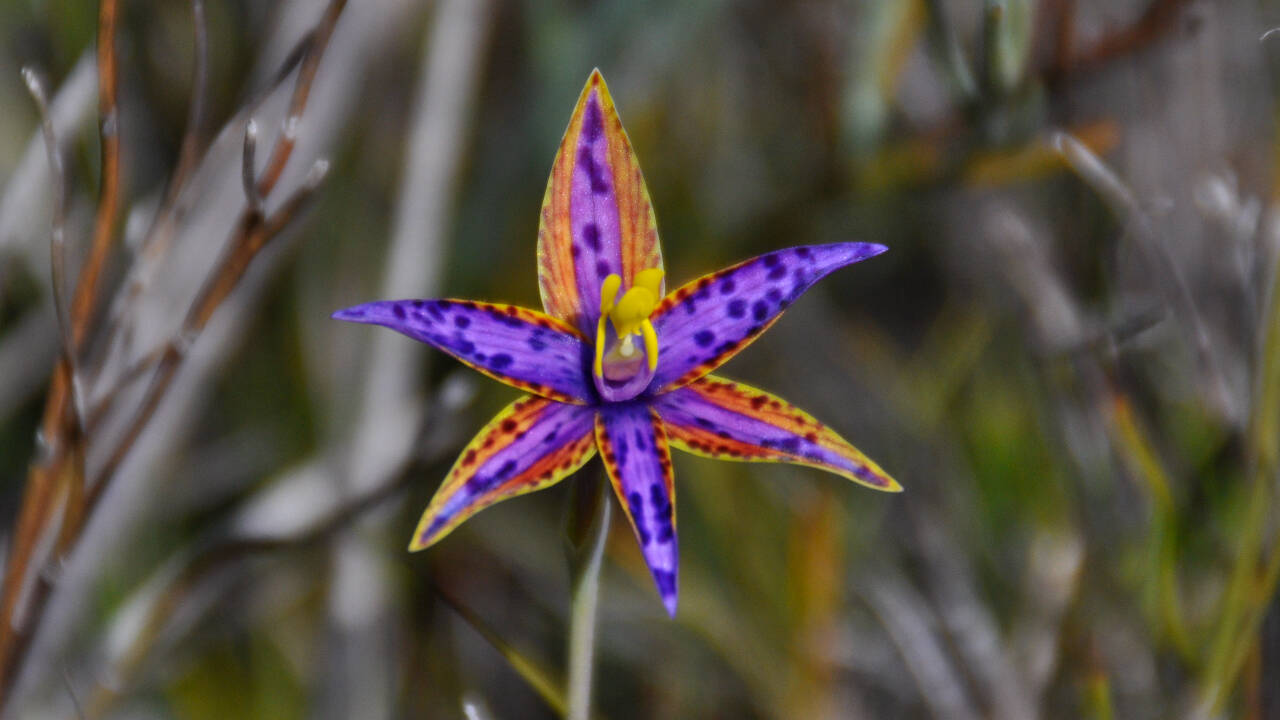
Scientists are also looking into the natural pollinators of the orchid to make sure the restored populations can reproduce successfully in the wild.
And while the success is not the end of the story, scientists say, there is more important work to do before the orchids can be safely returned to the wild. Many land orchids rely on very specific partners, fungi, for their survival. The fungi aid the germination of the seeds and then go on to support the plants throughout their lives. Scientists are now working on methods to culture these important fungi in the lab and to make sure that they can successfully colonize the cloned orchids when they are transplanted. Scientists are also looking into the natural pollinators of the orchid to make sure the restored populations can reproduce successfully in the wild.Images Courtesy: istock