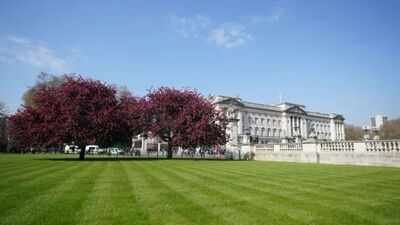
Buckingham Palace, the official London residence of the British monarch, is undergoing its biggest infrastructure upgrade in decades as Britain races to preserve one of its most iconic historic properties for future generations.Under the £369 million Reservicing Programme, engineers are replacing ageing electrical wiring, plumbing, heating and communications systems that have served the palace for decades. The last major reservicing of the essential systems which keep Buckingham Palace running took place in the 1950s in response to damage inflicted by bombings in the Second World War.The reservicing of Buckingham Palace will be funded through a temporary uplift in the Sovereign Grant, as recommended by the Royal Trustees and approved by Parliament. The programme commenced in April 2017 and will complete in 2027.The project marks the latest chapter in the remarkable evolution of a building whose history stretches back more than 300 years. Originally built in 1703 as Buckingham House for the Duke of Buckingham, the property was acquired by King George III in 1761 for Queen Charlotte before being transformed into a grand royal palace by King George IV.It became the official London residence of the British monarch in 1837 when Queen Victoria moved in, and today serves as both the administrative headquarters of the monarchy.What exactly is being renovated?The centrepiece of the project is the replacement of Buckingham Palace’s ageing utility network. Engineers are removing miles of outdated electrical wiring, lead pipes, water mains, boilers, heating systems, electrical switchboards, water tanks and communication cables that have exceeded their intended lifespan.These systems are being replaced with modern infrastructure designed to protect the Palace from the growing risks of fire, flooding and mechanical failure while ensuring it can continue operating for at least another half century.The Palace’s mechanical services are also being rebuilt. Boilers that are more than three decades old are being replaced after engineers warned that spare parts had become difficult to obtain and that failures could compromise heating throughout the building.The outdated heating system also struggled to maintain stable temperatures needed to protect the Royal Collection’s paintings, furniture and decorative interiors. The new energy infrastructure is designed to improve reliability, reduce operating costs and significantly enhance the building’s energy efficiency while lowering carbon emissions.Another major focus is the Palace’s ageing plumbing network. Engineers found that above-ground drainage systems made from lead and cast-iron pipework had begun to sag, with deteriorating joints increasing the likelihood of leaks.Because much of the pipework is concealed inside historic walls and beneath original floors, any failure could seriously damage centuries-old interiors and priceless artworks. The project therefore includes replacing old water pipes, drainage systems and associated plumbing infrastructure before they reach catastrophic failure.Buckingham Palace is also receiving a complete upgrade of its communications systems. Existing telephone networks, data cabling, fire alarm systems and IT infrastructure have reached the end of their operational life, making maintenance increasingly difficult.The reservicing programme introduces modern communications networks capable of supporting the Palace’s day-to-day administrative, ceremonial and security functions while reducing the risk of system failures.The project also goes beyond replacing utilities. Parts of the Palace are being reconfigured to improve office accommodation and meeting spaces for Royal Household staff. Plans include creating a dedicated visitor admissions and learning centre, extending public access, modifying service lifts to support events and improving facilities for disabled visitors.Once completed, the Palace is expected to accommodate around 1,15,000 additional paying visitors each year, a 22% increase, while also welcoming around 30,000 schoolchildren annually through expanded educational programmes.Notably, Buckingham Palace will remain fully operational throughout the project. Rather than vacating the building, engineers are working wing by wing, replacing infrastructure in one section before moving to the next.This phased approach allows the Palace to continue hosting state visits, investiture ceremonies, diplomatic receptions, Garden Parties, the Changing of the Guard and the annual summer opening without interruption, while reducing construction risks and preserving one of Britain’s most important heritage buildings.