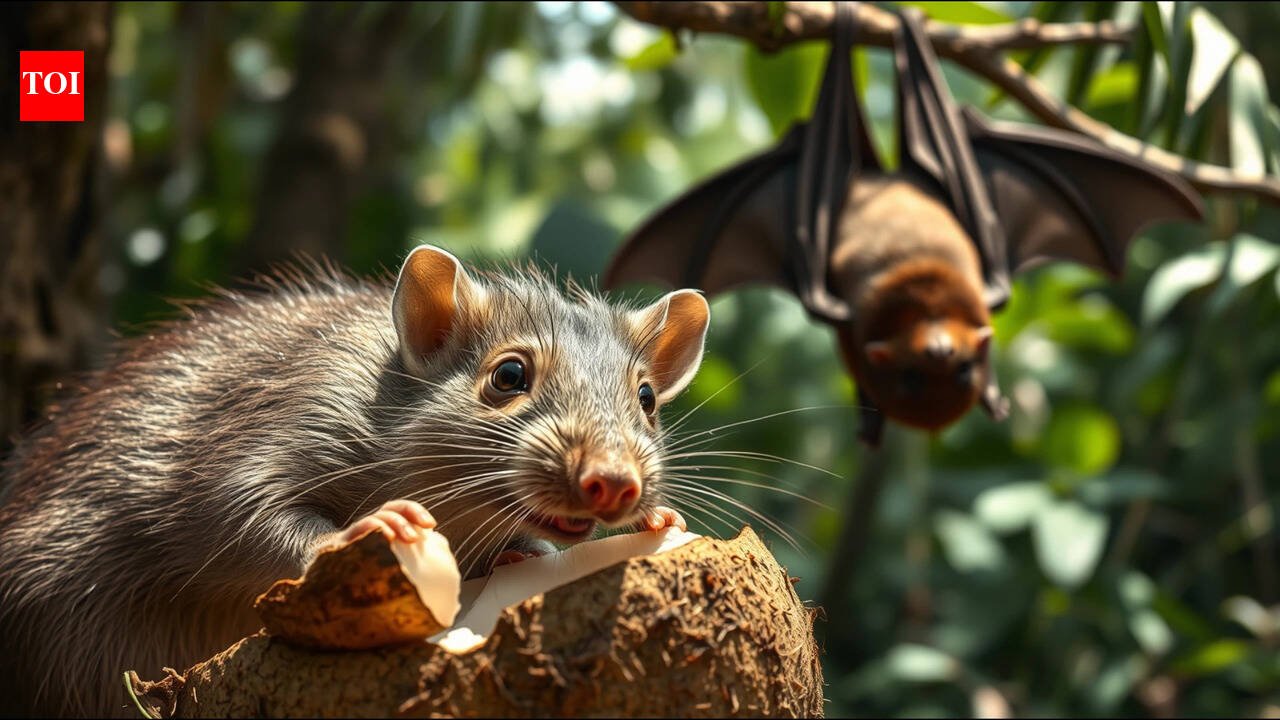
Somebody does the work and someone else reaps the benefit. This is the crux of this old Maldivian saying, explained through imagery of vegetation. In the Maldives, the coconut palm is not merely vegetation; it is the historic spine of island survival. For centuries, every single part of the tree was utilized: the fronds were woven into thatch roofs, the trunk was hollowed out to build traditional dhoni fishing boats, and the coconut itself provided vital hydration and nutrition on sun-scorched coral atolls.Because the coconut palm dominated the physical landscape, it naturally dominated the psychological and linguistic landscape of the people. From this deep-rooted relationship with the island ecosystem emerged one of the most famous and authentic Maldivian proverbs:“Meeha kandaa kafe, vaulaa boa fene.”(The rat gnaws into the young coconut; the bat drinks the water. )This saying serves as a sharp, unapologetic critique of a universal human frustration: the exploitation of labor, the theft of intellectual property, and the unfair distribution of rewards. Through the simple, vivid imagery of two common island animals, the proverb perfectly captures the bitter reality of one individual enduring the grueling preparation while another casually enjoys the prize.
Opportunist bat versus hardworking rat
An unripe coconut is heavily protected. It features a thick, dense, fibrous outer green husk, followed by a hard, woody inner shell. For a small rodent like the island rat, breaching this fortress is a monumental task. It requires hours of frantic, exhausting physical exertion. The rat must use its sharp incisors to violently tear away the tough fibers piece by piece, grinding down its own teeth, risking exposure to predators, and burning immense energy just to puncture a tiny hole into the fluid chamber.The fruit bat, on the other hand, operates in a completely different ecological sphere. It spends its time gliding effortlessly through the tropical evening canopy. It possesses neither the dental anatomy nor the patience to chew through a thick coconut husk. Left to its own devices, a bat could never access the sweet water inside a fresh, intact coconut.But the bat is an opportunist. It waits aloft, watching the canopy. The exact moment the exhausted rat finally punctures the shell and retreats—perhaps scared away by a noise or collapsing from fatigue—the bat drops down from the night sky. It inserts its tongue into the neatly prepared hole and drinks the refreshing, sweet water without having contributed a single calorie of effort.
A deep wisdom on parasitic success
When Maldivians deploy this proverb in conversation, it is almost always to highlight a profound sense of systemic or interpersonal unfairness. It is the definitive island indictment of parasitic success.In human society, the “rats” are the creators, the laborers, the late-night builders, and the grassroots workers. They are the ones who do the heavy lifting, navigate the initial risks, and grind through the mundane, painful phases of a project. The “bats” are the smooth opportunists, the corporate credit-thieves, the middlemen, and the charismatic coat-tail riders who excel not at creation, but at positioning themselves at the finish line.
Why the proverb endures
Because of its psychological accuracy. It doesn’t just describe a loss of material goods; it describes the specific emotional sting of stolen momentum.If the fruit bat had found its own food elsewhere, the rat would be content. The tragedy of the proverb is that the bat’s joy is structurally dependent on the rat’s suffering. The bat explicitly uses the rat’s hard-won breakthrough as its own stepping stone.The proverb serves as a cultural warning system. In the close-knit community of a small Maldivian island, harmony is maintained through mutual respect and shared burdens. Someone who consistently acts like a “bat”—taking from the community pool without ever contributing to the preparation—is quickly identified, socially isolated, and labeled as untrustworthy.The proverb reminds the “rats” of the world that completing the breakthrough is only half the battle; one must also guard the hole once it is made. It forces us to build boundaries around our labor, to demand proper attribution for our ideas, and to ensure that those who sit at the table to drink the water are the very same ones who helped chew through the husk.