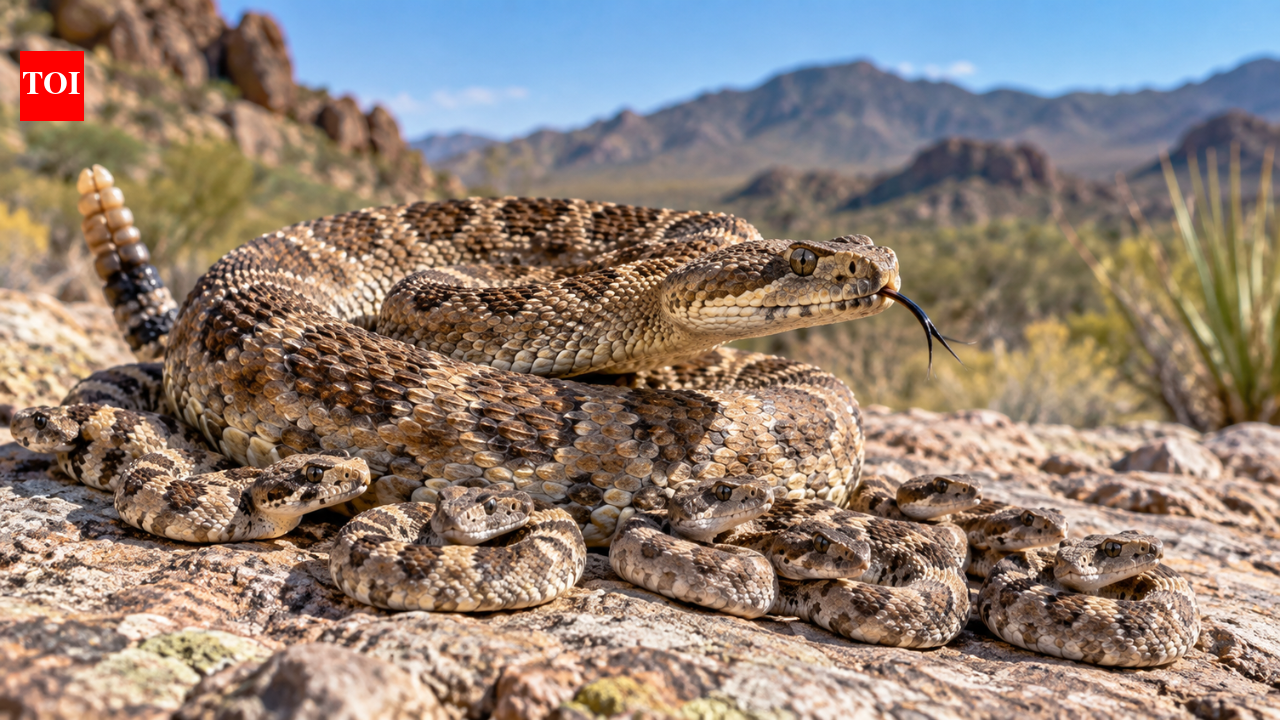
The Los Angeles Zoo has announced the first litters born under Project Obscurus, an international recovery programme for the New Mexico ridge-nosed rattlesnake. According to the Los Angeles Zoo’s press release on 1 September 2026, a litter of five was born on 18 August and a single neonate on 28 August, making six neonates. The species is classified as Threatened by the US Fish and Wildlife Service and is widely considered the rarest rattlesnake in the United States. The zoo says the young snakes will be candidates for release in Arizona or New Mexico to bolster genetic diversity in struggling wild populations.
How were six New Mexico ridge-nosed rattlesnake babies born
According to the LA Zoo, one litter of five neonates was born on 18 August, and a single neonate was born separately on 28 August. The zoo says these are the first-ever litters born as part of the breeding efforts for Project Obscurus. It is the first of the Project Obscurus partners to successfully breed this federally threatened species, and it expects other partners to follow.The release quotes Byron Wusstig, Curator of Ectotherms at the Los Angeles Zoo. According to Wusstig, the success reflects the animal care team’s expertise in managing montane pit vipers. He says the two litters represent “a tangible lifeline” for a species whose numbers have drastically declined in the US. He also says that being the first partner to welcome litters shows the collaborative, science-based approach is working well.
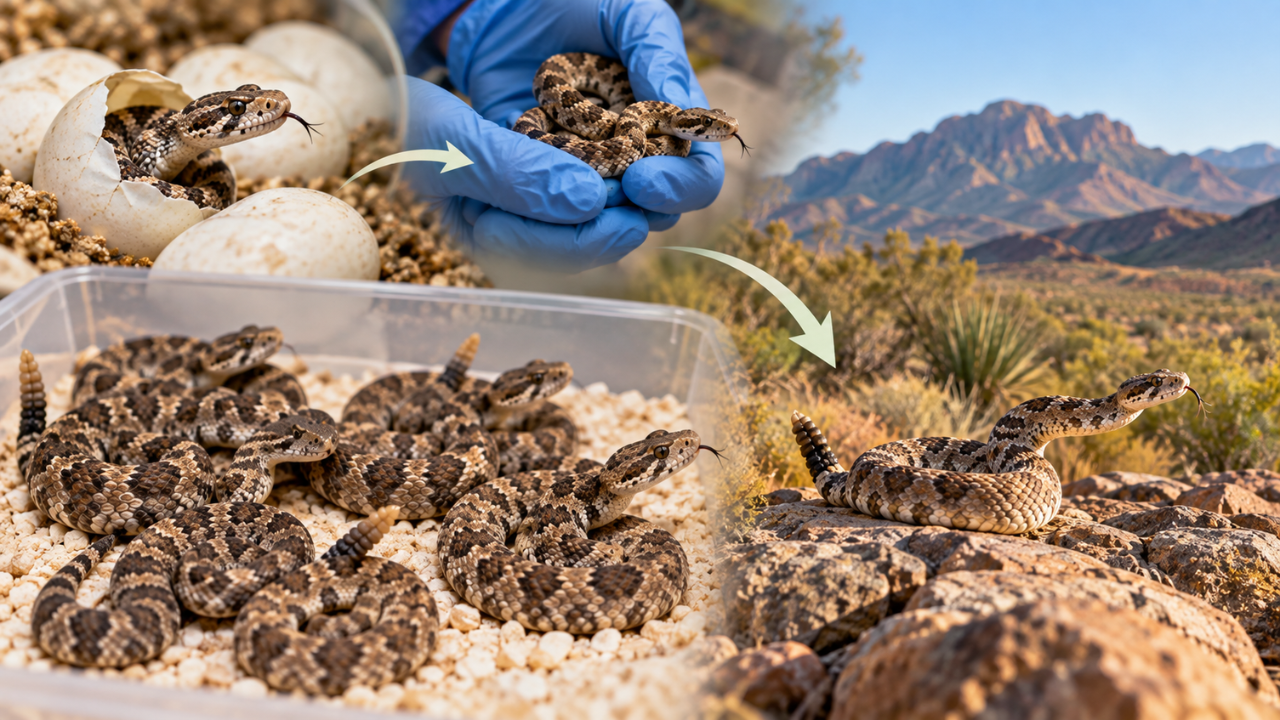
Image AI generated
How does Project Obscurus help rattlesnake populations
Project Obscurus builds on more than three decades of continuous research and conservation work on the species in the United States and Mexico, beginning in the early 1990s. The zoo says that earlier work established much of the scientific foundation and field knowledge behind the current programme. Project Obscurus was formalised in 2024, with The Rattlesnake Conservancy coordinating the collaborative recovery efforts. The conservation-breeding partnership includes the Los Angeles Zoo, the Arizona-Sonora Desert Museum and the San Antonio Zoo, working alongside researchers, wildlife agencies and conservation partners in both countries.Project Obscurus is a collaborative headstart breeding programme designed to bolster and diversify the genetics of wild US populations. According to the zoo’s “About Project Obscurus” section, the project involves researchers from the US and Mexico and cooperation with 10 natural resource agencies, as well as zoos, non-profits, independent researchers and volunteers. Its stated aims include better understanding environmental factors such as temperature and humidity, and continuing efforts to find more rattlesnakes near areas where they have previously been found. It also aims to set up head-starting at the three partner institutions, to carry out genetic rescue within the existing U.S. range, and to give the public more information about the snake.
Why is it called a “sky island” snake
The New Mexico ridge-nosed rattlesnake is widely considered the rarest rattlesnake in the United States and among the most imperilled in North America. The US Fish and Wildlife Service classifies it as Threatened. The release describes it as a small, pale grey to grey-brown pit viper known for its shy nature and characteristic upturned snout. It adds that, unlike many reptiles, the species is live-bearing, meaning it does not lay eggs.The subspecies is found in a small area of the US and Mexico. That area consists of the Peloncillo Mountains in Arizona and New Mexico, the Animas Mountains of New Mexico, and the Sierra San Luis of Sonora and Chihuahua. The release calls it a “sky island” snake, limited to montane habitats between 5,000 and 8,000 feet (approximately 1,500 to 2,500 metres) in elevation. There it relies primarily on humid woodlands and sometimes grassy slopes. Its high level of endemism, meaning it is restricted to a small, fragmented area, puts the subspecies at greater risk of catastrophic population decline.
How could the snakes boost genetic diversity
The zoo staff will care for the six neonates behind the scenes. The zoo says that once they mature and reach appropriate benchmarks, the snakes and their offspring will become candidates for release into their native habitats in Arizona or New Mexico. There, the zoo says, they would directly support struggling wild populations by bolstering genetic diversity. The zoo credits the births to years of cross-border collaboration involving volunteers, researchers, the US Fish and Wildlife Service and numerous international partners in both countries.