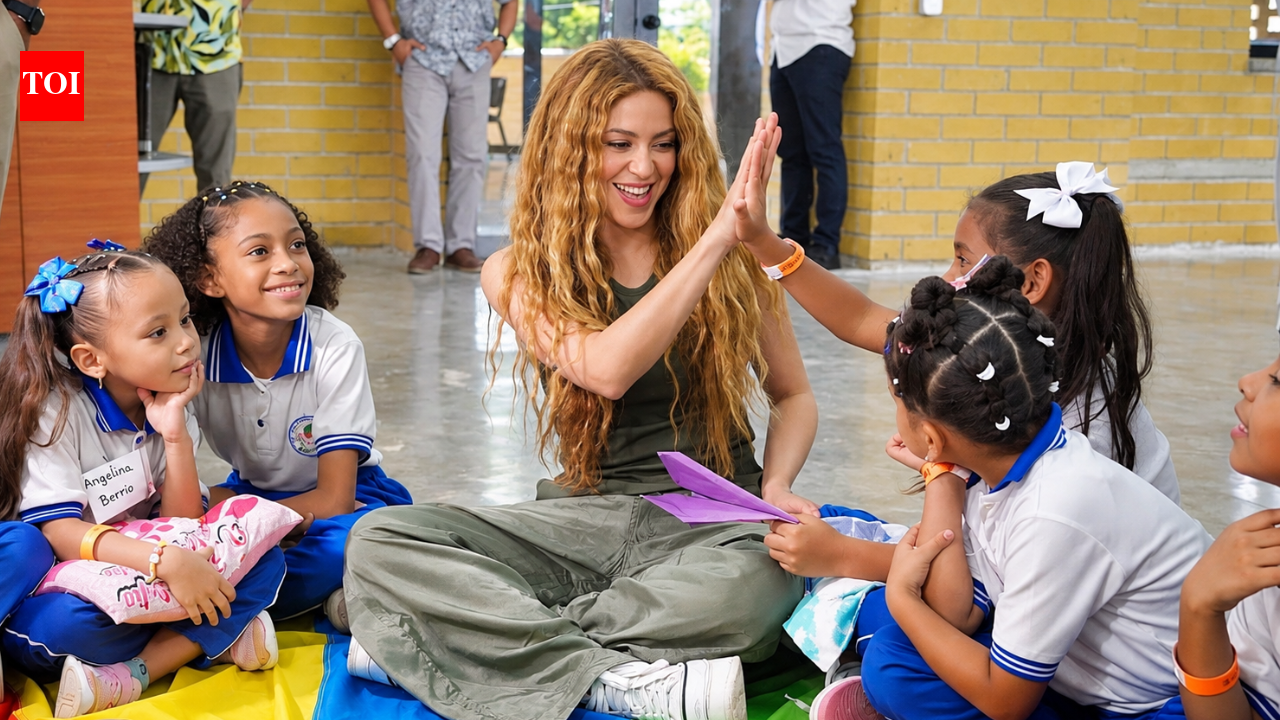
Shakira’s Barefoot Foundation has supported more than 224,000 children and young people in Colombia, helping expand access to education through school construction, teacher training and educational programmes. Founded by the Colombian singer in 1997, Fundación Pies Descalzos works with communities facing economic and social barriers to quality education. The organisation reports that 8 in 10 students graduating from its supported schools continue to higher education, compared with approximately four in 10 young people nationally. Its work also includes improving educational facilities in underserved areas, providing school supplies and supporting Indigenous communities.
Shakira’s foundation focuses on education as a path out of inequality
Shakira established Fundación Pies Descalzos in 1997 to help children in Colombia access quality education. The organisation, also known as the Barefoot Foundation, focuses on children and young people in vulnerable communities, where financial difficulties and limited educational infrastructure can restrict opportunities.Rather than concentrating exclusively on school construction, the foundation combines infrastructure projects with teacher training, educational support and programmes intended to help students continue their studies.Its approach also involves working with public schools and local communities to improve learning environments. According to the foundation, its projects aim to ensure that children can develop the knowledge and skills needed to pursue further education and build better prospects for themselves and their families.
Eight in 10 graduates continue to higher education
One of the foundation’s most notable reported outcomes is the proportion of students who continue their education after graduating from its supported schools.According to its official impact page, eight in 10 graduates from Pies Descalzos schools continue to higher education. The foundation contrasts this with the national picture, citing data from Colombia’s National Administrative Department of Statistics (DANE) indicating that approximately four in 10 young people continue to this level of education.In a November 2025 publication, the foundation said between 70% and 80% of students graduating from schools it supports continue into tertiary education. This includes technical, technological and university-level programmes.
Building schools in underserved communities
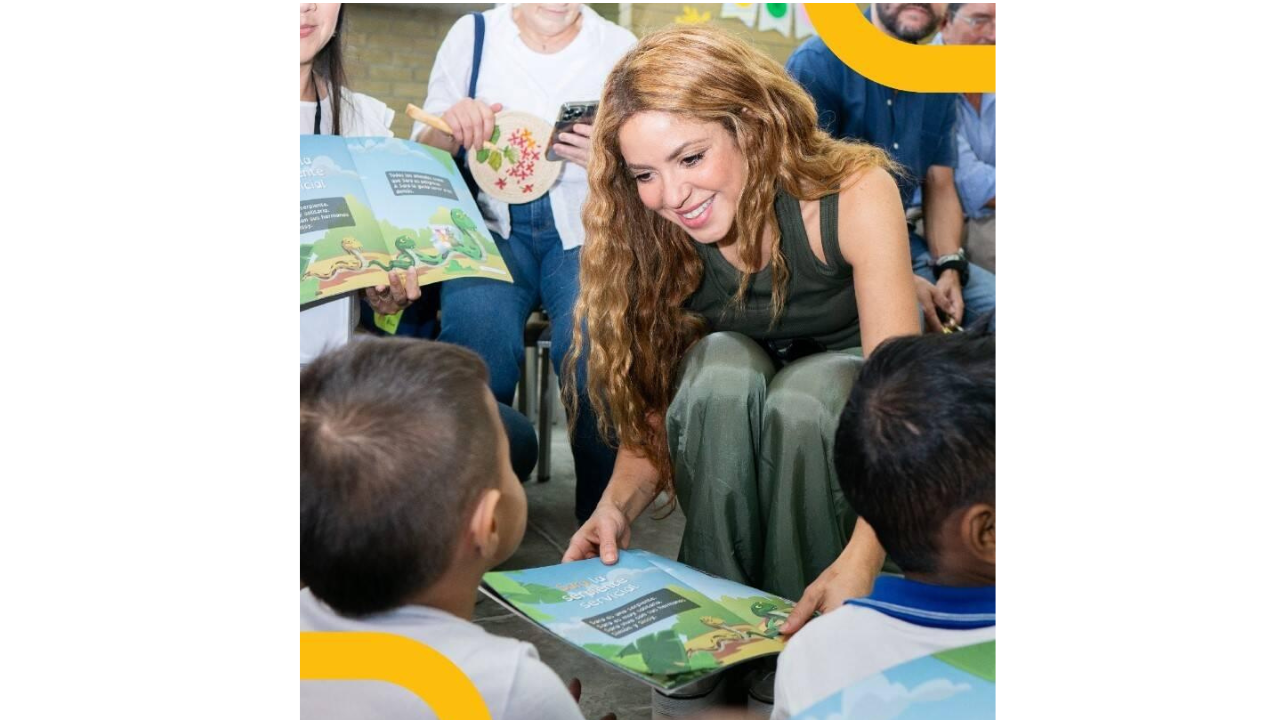
Improving access to educational infrastructure is a central part of the foundation’s work. Its projects include constructing new schools and upgrading existing facilities in areas where children face barriers to quality education.In 2024, the foundation reported supporting 28,157 students across 24 Colombian municipalities through educational and school-infrastructure projects. This was in addition to approximately 6,700 children and young people enrolled in schools supported by the organisation and bearing its name.One of its projects that year was a new school in the Villas de Aranjuez neighbourhood of Cartagena. The facility was designed to serve approximately 1,000 students annually, helping expand educational provision in the area.The foundation also worked with Colombia’s Ministry of National Education to improve two schools in Riohacha and Uribia, in the department of La Guajira. These projects focused on strengthening educational access for communities that include Indigenous students and migrants.
Supporting Indigenous Wayúu students and migrant families
In 2024, the organisation and Colombia’s Ministry of National Education completed interventions at two schools in Riohacha and Uribia. The facilities served more than 1,500 students, most of whom belonged to the Wayúu Indigenous community or were migrants from Venezuela.The projects used an ethno-educational approach, recognising the importance of cultural context in education. This is particularly relevant for Indigenous communities, where education programmes must account for local identities and circumstances.
Training teachers and providing learning materials
The foundation also invests in teachers, recognising that educational facilities alone cannot guarantee effective learning.Its official impact figures report that more than 12,824 teachers have received training, with women accounting for 85% of those trained. The organisation says these programmes are intended to strengthen teaching practices and help educators introduce new skills into their classrooms.In 2024, the foundation reported that 690 teachers participated in its training programmes.The organisation also distributed 10,965 kits, uniforms and reading materials to students, teachers, school leaders and coordinators that year. Such supplies can help schools and families meet some of the practical requirements of education.These initiatives complement the foundation’s infrastructure projects by supporting the people and resources involved in students’ day-to-day learning.
Foundation reports more than 282,000 beneficiaries
Although the foundation’s impact page reports that it has supported more than 224,000 children and young people, its English-language homepage now lists a higher cumulative figure.The homepage reports more than 282,160 children and young people benefited, over 13,387 teachers trained and more than 300 public schools supported in Colombia. It also lists 22 schools built or improved in Colombia, two in Haiti and one in Soweto.The foundation also reports working with 1,131 families and caregivers, 80% of whom are women, according to its impact page. This highlights another dimension of its work: involving families in supporting children’s development and education.
Shakira’s foundation expands support beyond the classroom
The organisation’s work has also extended into partnerships intended to help young people navigate education and prepare for their futures.In April 2026, Colombia’s student-loan and educational-support agency ICETEX announced a three-year partnership with Fundación Pies Descalzos under its Comunidad ICETEX project.The collaboration aims to support young people as they prepare for higher education, continue their studies and move towards employment. Its planned areas of work include financial education, emotional wellbeing, career guidance, gender equality, entrepreneurship, leadership and employability.