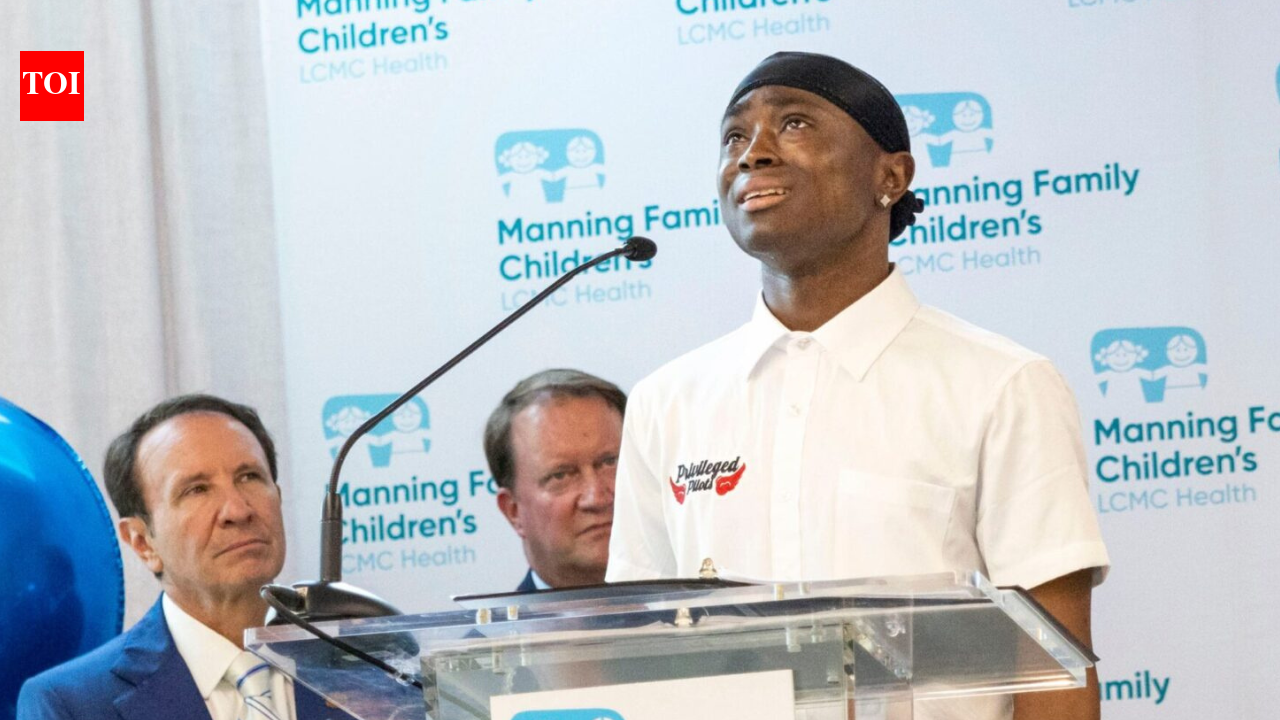
A 23-year-old man from Louisiana has become one of the first people in the United States to be functionally cured of sickle cell disease using Casgevy, the world’s first approved CRISPR-based gene-editing therapy. Daniel Cressy, from Metairie near New Orleans, had lived with the inherited blood disorder since childhood, enduring severe pain crises and repeated hospitalisations. After undergoing the pioneering treatment at Manning Family Children’s Hospital, doctors confirmed he no longer showed signs of active sickle cell disease. His case marks the first successful use of Casgevy in Louisiana and the Gulf South, highlighting a major milestone in the use of gene-editing technology to treat inherited disorders.
How the world’s first CRISPR therapy
Casgevy became the world’s first CRISPR-based gene-editing therapy to receive regulatory approval in late 2023. Unlike conventional treatments that focus on managing symptoms, Casgevy targets the underlying cause of sickle cell disease using the patient’s own blood-forming stem cells. Doctors first collect these stem cells and send them to a specialised laboratory, where scientists use CRISPR-Cas9 technology to edit the cells outside the body. Instead of repairing the faulty haemoglobin gene directly, the treatment reactivates the production of fetal haemoglobin, which prevents red blood cells from becoming sickle shaped.Cressy’s stem cells were collected in late 2025 and sent to Scotland for gene editing. In March 2026, the modified cells were returned to New Orleans after he underwent chemotherapy to clear space in his bone marrow. Doctors infused the edited cells on 18 March, allowing them to begin producing healthy red blood cells. After spending about a month recovering in hospital, Cressy was discharged in mid-April. Around 100 days after treatment, doctors confirmed normal haemoglobin levels and no active sickle cell disease. He celebrated the milestone by ringing the hospital’s ceremonial bell, describing it as his “second birthday”.
What is sickle cell disease?
Sickle cell disease is an inherited blood disorder caused by a mutation in the HBB gene, which produces haemoglobin, the protein that carries oxygen through the body. The mutation causes red blood cells to become rigid and crescent shaped instead of round and flexible. These abnormal cells can block blood vessels, leading to severe pain, strokes, organ damage and other life-threatening complications. The disease affects around 100,000 people in the United States and millions more worldwide, particularly those of African ancestry.
Why Casgevy is different from a bone marrow transplant
For decades, the only potential cure for sickle cell disease was a bone marrow transplant from a closely matched donor. However, many patients never find a suitable donor, and the procedure carries the risk of graft-versus-host disease. Casgevy avoids these challenges because it uses the patient’s own stem cells. Although patients still require intensive chemotherapy before receiving the edited cells, using their own cells significantly reduces the risk of immune rejection.
A milestone for genetic medicine
Casgevy was jointly developed by Vertex Pharmaceuticals and CRISPR Therapeutics and approved by the US Food and Drug Administration in December 2023 for eligible patients aged 12 years and older with recurrent sickle cell pain crises. Daniel Cressy’s recovery demonstrates how CRISPR technology has moved beyond laboratory research into routine clinical care. While doctors continue to monitor patients over the long term, his case offers fresh hope that gene editing could transform the treatment of inherited genetic disorders and improve the lives of thousands living with sickle cell disease.Before treatment, Cressy’s lifelong dream of becoming a commercial pilot appeared out of reach because of his medical condition. Now, with no active signs of sickle cell disease, he hopes to pursue flight training and obtain the medical certification required to fly professionally. His recovery has become a powerful example of how advances in gene-editing medicine can offer new possibilities to patients once limited by inherited diseases.