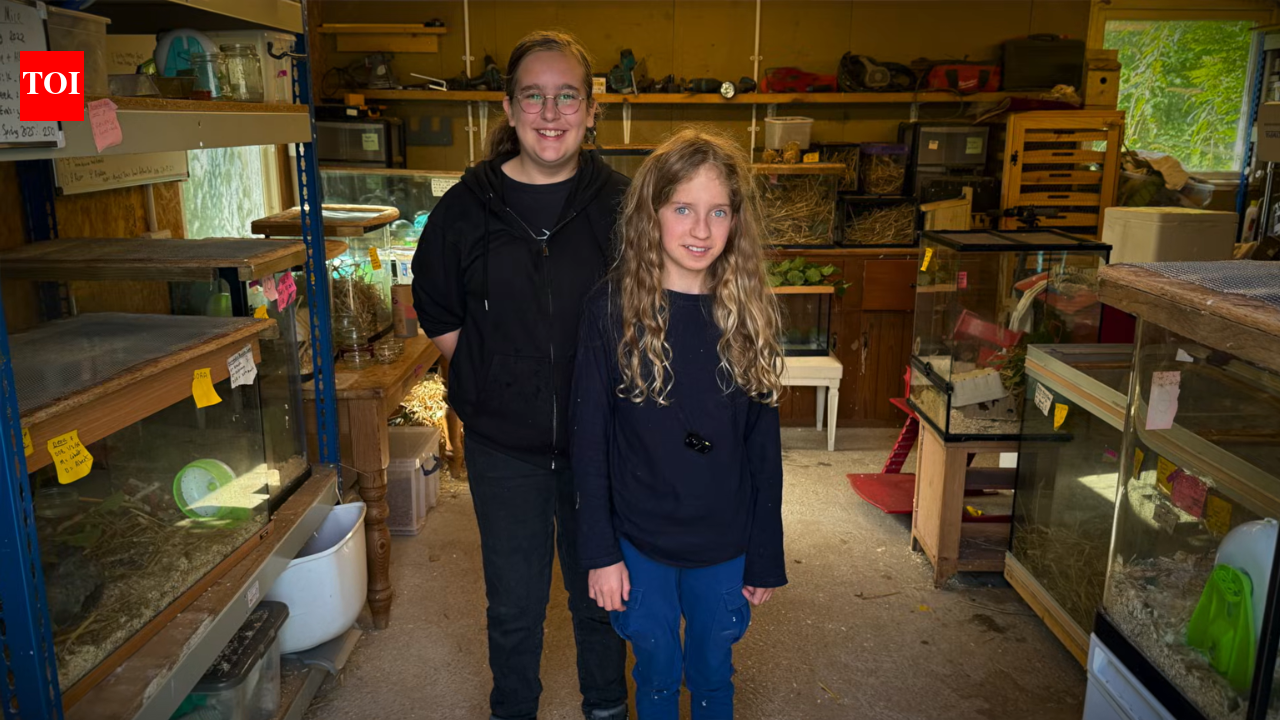
Two 14-year-old conservationists in Devon, England, are inviting children to take part in an unusual wildlife project: raising tiny harvest mice at home before releasing them into the wild. Eva Wishart and Emily Smith, who bred mice in their garages and bedrooms before releasing 250 of them, are expanding their initiative, called Wild Pets, by recruiting 20 Devon-based children aged 8 to 13. Participants will receive a pair of mice and all necessary equipment after a training day next spring at Rewilding Coombeshead, and will breed the animals with guidance. The project aims to release 250 harvest mice into the wild by September 2027. Applications are made through wild-pets.org.
How two teenagers came up with the unusual conservation plan
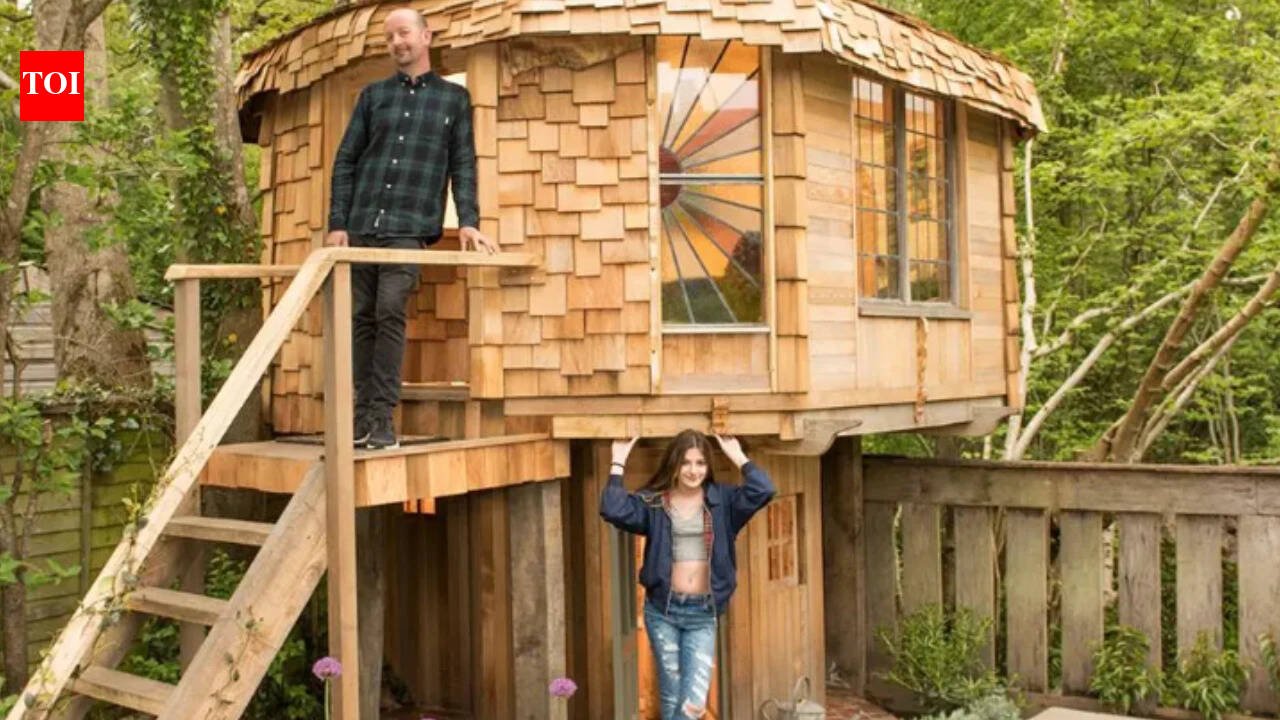
Wild Pets began with Eva, who developed the idea after running her own harvest mouse breeding programme from the age of ten, and was later joined by her schoolfriend Emily. With two breeding pairs from the rewilding specialist Derek Gow, some borrowed tanks and no licence needed to breed or release native harvest mice, the pair raised mice in 27 tanks, using honeysuckle and hazel branches to create natural habitats. Last year they released 250 harvest mice into a nature reserve near Tiverton, using a soft-release enclosure built with a local carpenter’s help, with tiny holes that let the mice move freely while keeping out predators such as rats and snakes. The project was financed by around £4,000 raised through crowdfunding. Chris Packham attended a release in 2025 and, on Springwatch in June, called the idea “truly sensational.”
Why children are being asked to raise harvest mice at home
The project aims to increase the number of harvest mice that can be returned to suitable wild habitats. By involving children in the breeding process, Wishart and Smith also hope to make wildlife conservation more accessible to young people. Participants will be supported by experienced conservationists, with Gow advising. The Devon Environment Foundation gave the pair an earlier grant of £500. Organisers aim to breed and release 250 mice by September 2027, although success will depend on breeding outcomes and the animals’ ability to survive after release.
Why harvest mice need conservation support
Harvest mice are Britain’s smallest rodents, known for weaving intricate nests among tall grasses and other vegetation. The Mammal Society classes them as Near Threatened across Great Britain, because changes to farming and land management have reduced their available habitat. The mice depend on vegetation that provides food, shelter and nesting sites, which makes them vulnerable when field margins are altered or removed. The earlier release has already shown encouraging signs: the following winter, Wishart and Smith found five maternity nests at the site, showing the mice had survived and begun reproducing.
A project designed to inspire the next generation
Wild Pets is intended to do more than increase harvest mouse numbers. The teenagers hope that giving children direct experience of caring for wildlife will encourage a lasting interest in conservation and show how young people can help protect native species. The idea was a runner-up in Blue Peter’s Earthshot competition, and the project plans to extend the approach to other native species, including common lizards, stag beetles and glowworms. Its longer-term impact will depend on whether the breeding programme produces healthy animals that establish themselves in the wild, but the initiative offers an unusual example of youth-led conservation that combines practical participation with efforts to address biodiversity loss.