Electric: Extending the limits of battery-powered trucking
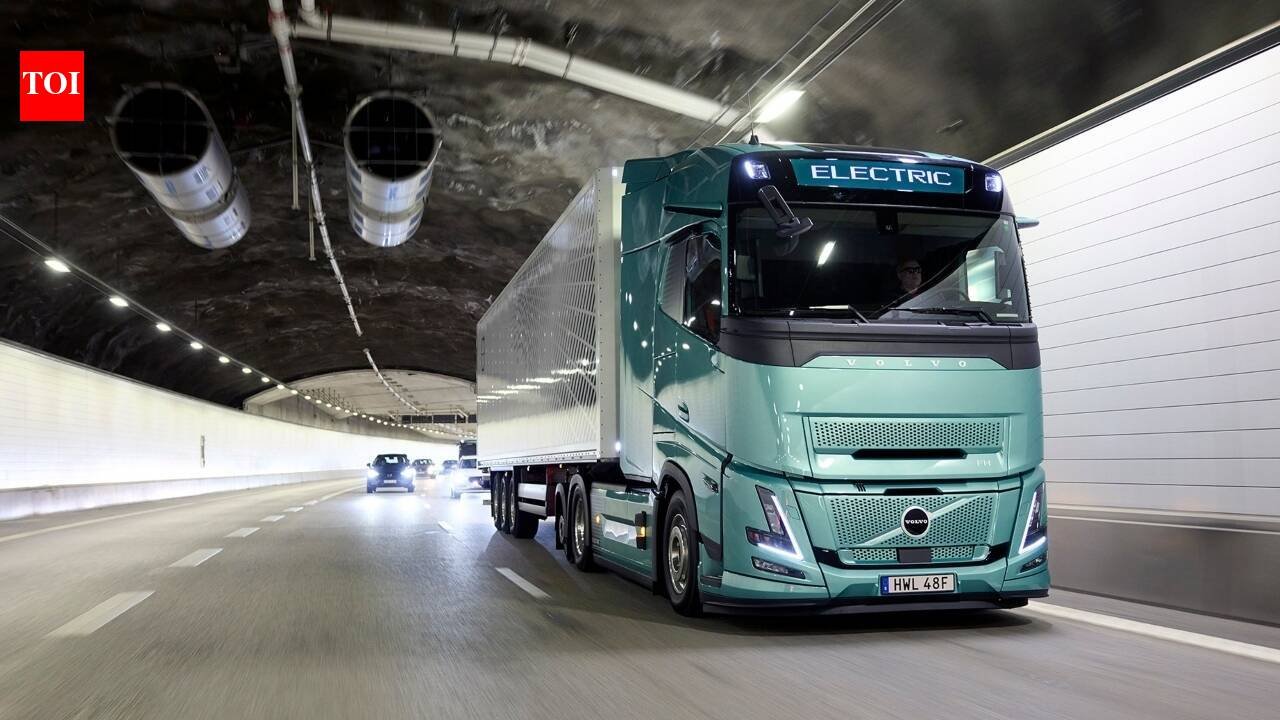
The biggest highlight of the event was the new Volvo FH Aero Electric with Extended Range. Designed specifically for long-haul operations, the truck features a newly developed e-axle system that integrates two electric motors and a six-speed powershift gearbox into the rear axle. This packaging solution frees up space within the chassis, allowing Volvo to install eight battery packs with a combined capacity of 780 kWh.
Volvo’s e-axle.
The result is a claimed driving range of up to 700 km on a single charge, making it one of the most capable long-distance electric trucks announced so far.The electric drivetrain produces up to 623 hp, while gross combination weight reaches up to 48 tonnes. Payload capacity can go up to 28 tonnes depending on the configuration.Speaking about the charging capabilities, the truck supports the new Megawatt Charging System (MCS) standard with charging speeds of up to 700 kW. Volvo says the battery can be charged from 20 to 80 percent in around 50 minutes. It also supports 350 kW CCS fast charging, requiring approximately 85 minutes for the same charging window.
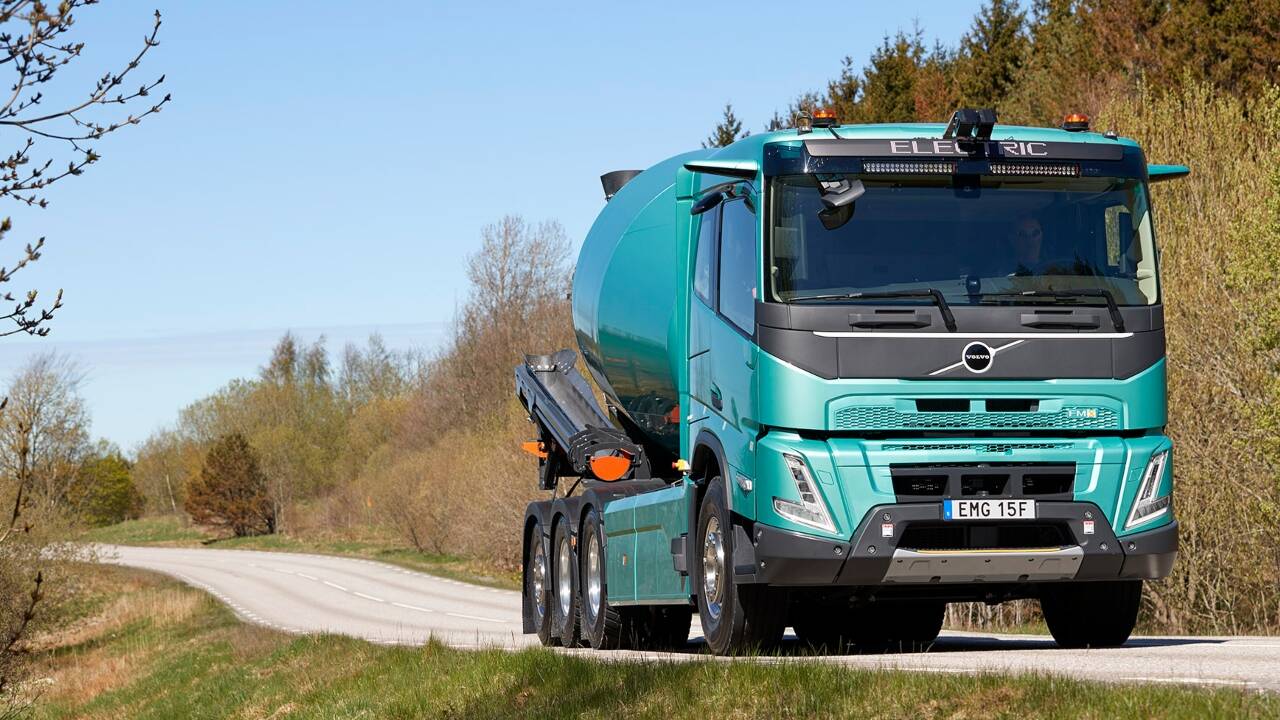
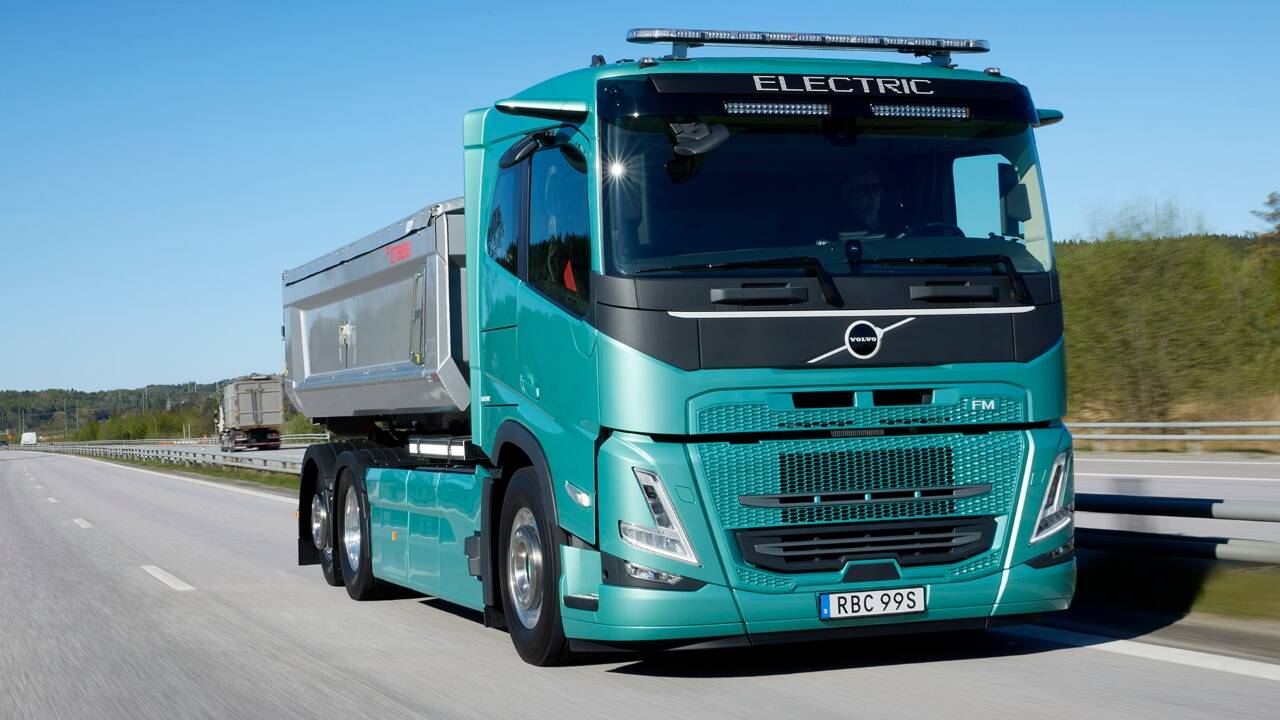
Alongside the FH Aero Electric, Volvo also introduced updated FH, FM and FMX Electric trucks. These models target regional distribution, construction, urban logistics, waste management and utility operations.The new-generation trucks use a dual-motor setup paired with an eight-speed powershift gearbox and deliver up to 731 hp. Battery capacity reaches 540 kWh, providing a range of up to 470 km on a single charge. A notable addition is the integrated power take-off system, which allows body-mounted equipment such as mixers, compactors and hook-lift systems to operate while the truck is moving, improving productivity in commercial operations.
Diesel: Cleaner combustion remains important
While electric trucks are gaining momentum, Volvo believes diesel powertrains will continue to play a crucial role in many markets during the transition period.To support this, the company unveiled an entirely new 13-litre diesel engine platform known as the D13.
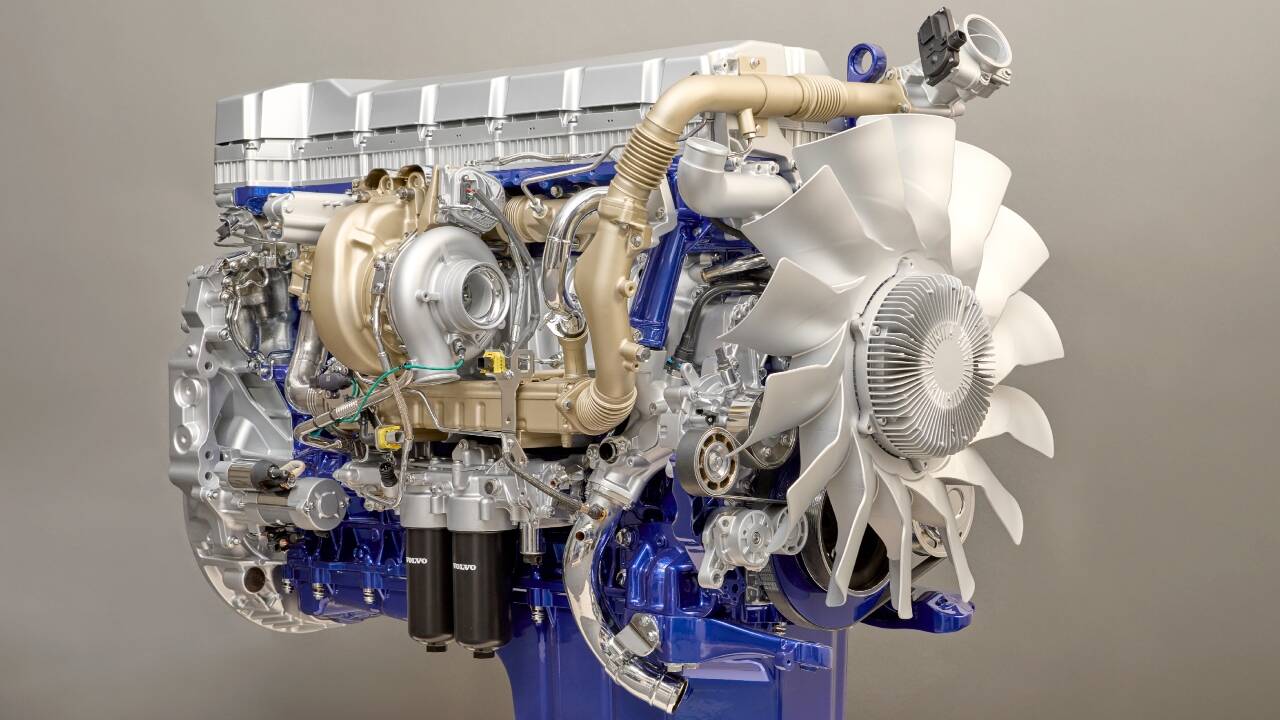
The new engine produces between 380 hp and 560 hp, with torque outputs ranging from 1,800 Nm to 2,900 Nm. Volvo claims fuel consumption can be reduced by up to four percent compared with the previous D13 eSCR engine.Interestingly, this engine is compatible with conventional diesel, biodiesel (B100) and Hydrotreated Vegetable Oil (HVO). The D13 will be available across Volvo’s FM, FMX, FH and FH Aero ranges.
Gas: A renewable-fuel solution available today
Volvo also showcased the G13 gas-powered engine, which shares its architecture with the new D13 diesel engine. Designed to run on LNG and bio-LNG fuels, the G13 produces between 420 hp and 500 hp, while torque ranges from 2,400 Nm to 2,800 Nm.
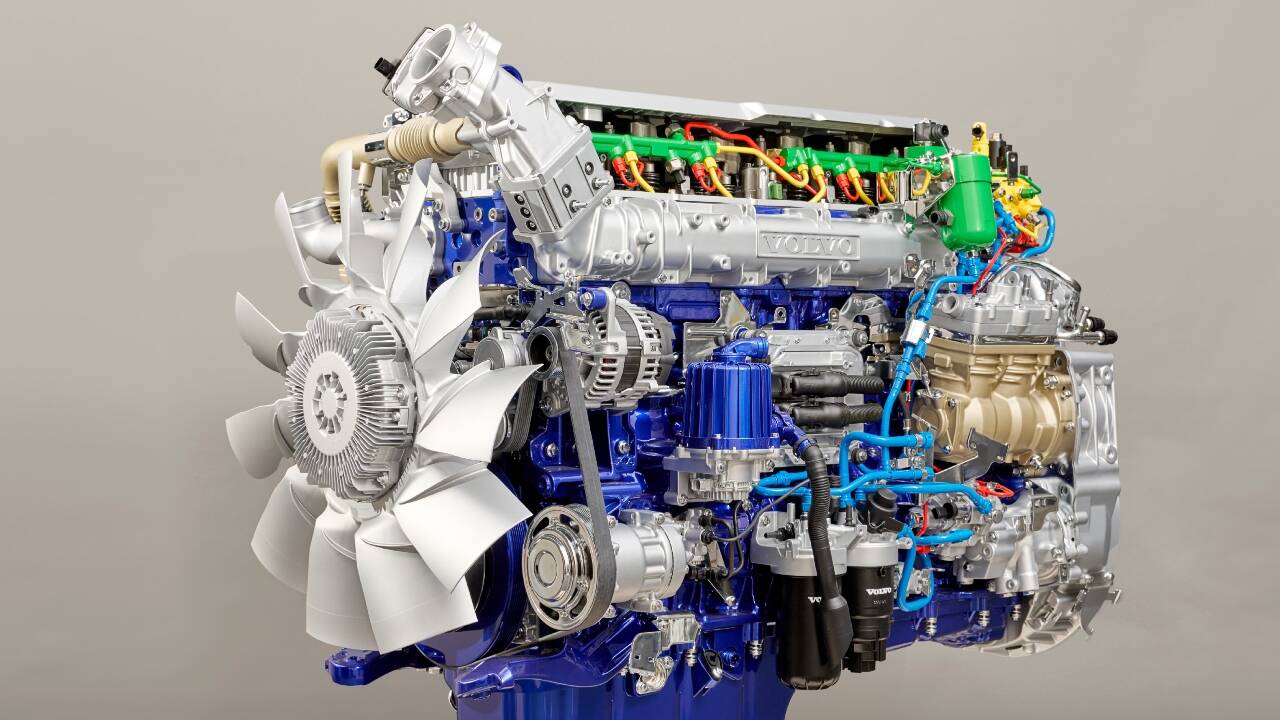
One of the key advantages of gas-powered trucks is their ability to significantly lower lifecycle CO2 emissions when operated on renewable bio-LNG. Like the D13, it will be offered across the FM, FMX, FH and FH Aero product lines.Perhaps more importantly, the platform has been developed with future hydrogen combustion applications in mind. Volvo has already begun testing hydrogen-powered combustion engines on public roads and plans to bring the technology to market before the end of this decade.
Driving experience
After the presentations and walkarounds, it was time for the most exciting bit of the day. We got behind the wheel of these trucks, testing them both on the test track and a bit on public roads.
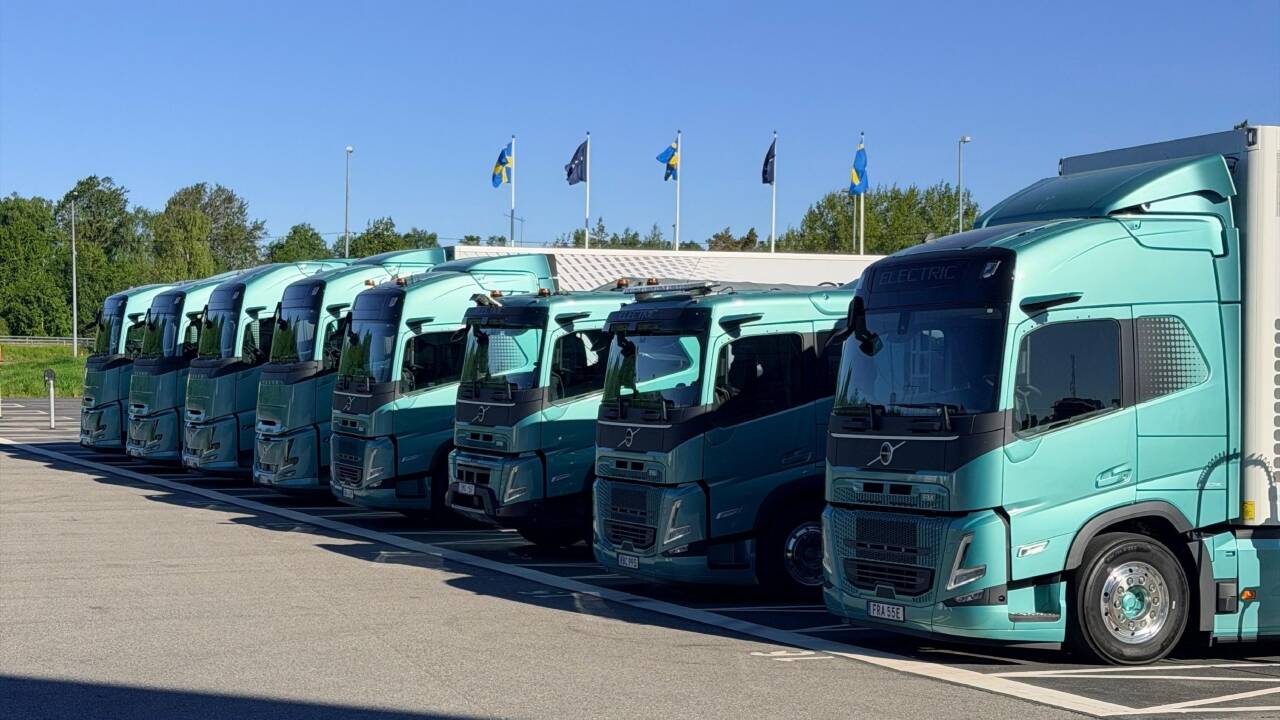
Both the trucks we drove were Electric but the highlight was the FH Aero Electric. This six-axle behemoth was intimidating to look at from the outside but once behind the driver’s seat, things became surprisingly easy. Right from the brilliant camera displays showing every angle of road around the vehicle, along with the Adaptive GPS system, made driving the massive vehicle very easy.
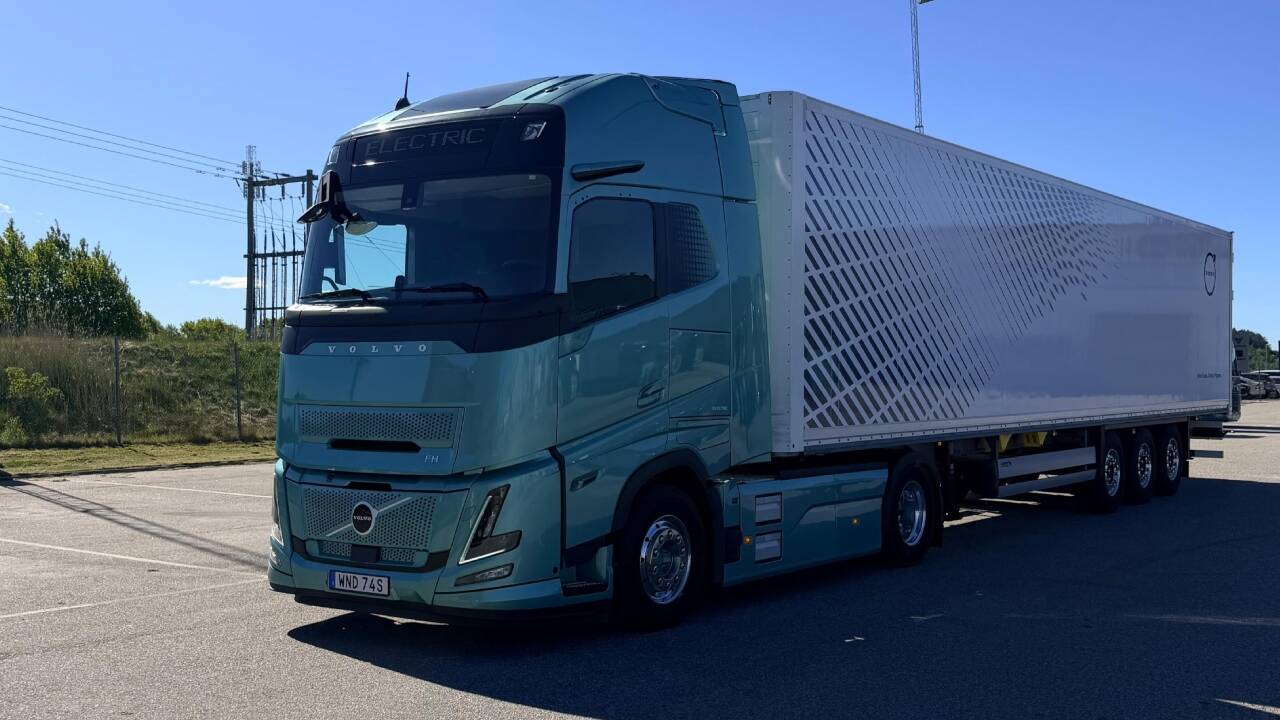
Having driven diesel trucks & buses earlier, the biggest surprise for me was how easily the truck got off the line due to the electric torque available at almost zero rpm. Despite hauling a full load, the truck easily achieved highway speeds. When going through inclined surfaces in hills, the GPS would detect upcoming uphill runs and accelerate automatically and once it sensed a downhill run, the power would be reduced to conserve energy. While our drive was limited in time and distance, one thing was clear: electric trucks make great sense for certain applications. Better than ICE in some particular cases!
The road ahead
What Volvo showed us in Gothenburg was not simply a collection of new trucks and engines. It was a statement about how the company sees the future of commercial transport.Rather than backing a single technology, Volvo is pursuing a multi-powertrain strategy that combines battery-electric vehicles, renewable-fuel combustion engines and future hydrogen solutions.
For markets such as India, where charging infrastructure is still evolving and freight requirements vary widely, such flexibility could prove particularly important. Taking everything into account, it is safe to say that commercial mobility is likely to be shaped by multiple technologies working side by side rather than one replacing all others.