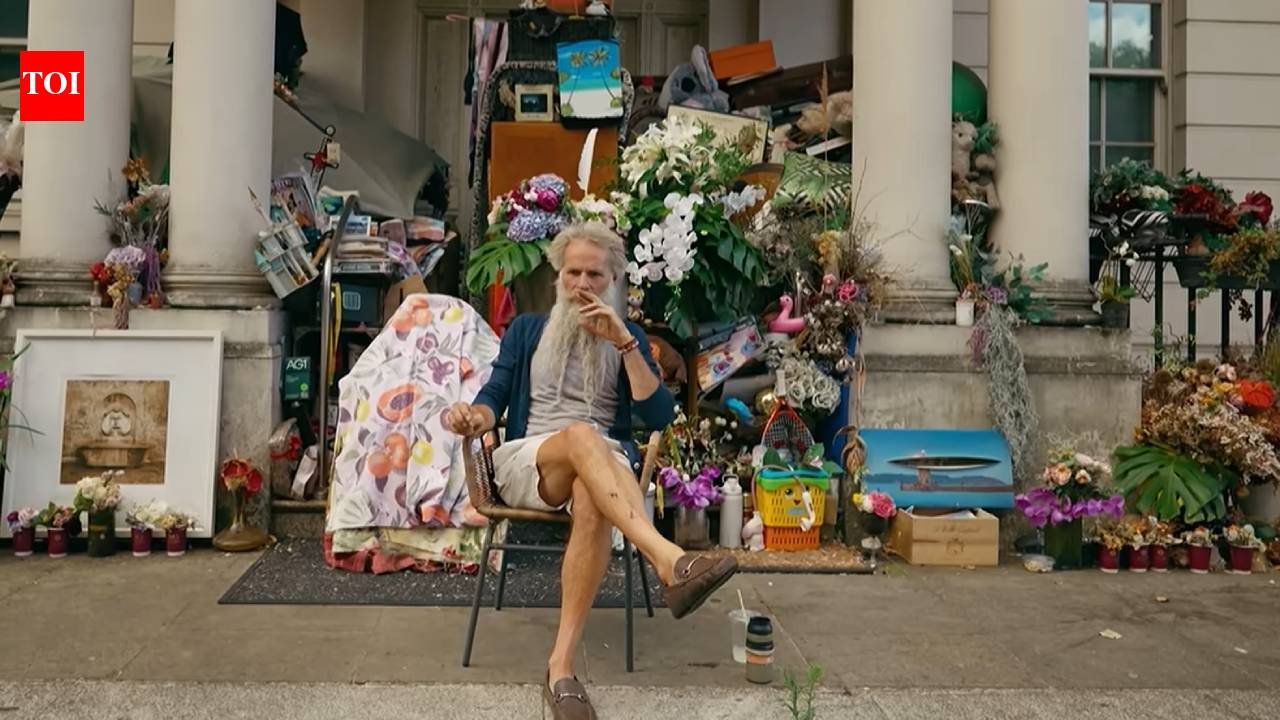
A homeless man has been living outside one of London’s most expensive mansions for three and a half years, building an unusual home in one of the British capital’s wealthiest neighbourhoods. While the sprawling 45-room property remains empty, Anders Fernstedt has created a life for himself outside it, relying on donated food, clothes, books and a makeshift shelter.Located in Knightsbridge, the mansion at 2 to 8A Rutland Gate reportedly sold for £210 million in 2020. The property boasts views of Hyde Park, marble bathrooms, 116 windows and an indoor swimming pool. However, the buyer never moved in, leaving the luxurious property unoccupied for years.Fernstedt’s unusual living arrangement was explored in a video feature by DW Euromaxx, which followed him to understand how he ended up living outside the luxury property, how he manages without money and why some neighbours have accepted his presence.
How Anders Fernstedt ended up homeless
Fernstedt was raised by his mother in Sweden and later pursued several careers in Sweden and the United States, establishing himself in the technology sector. He moved to England in 2016 and worked as a journalist and fact-checker before work dried up around the Covid-19 pandemic.A share in a technology company from his time in the US provided him with savings that he relied on for several years. However, as freelance commissions became harder to secure, his money gradually ran out.“There was enough money for me to live off for a few years, but only frugally, half the time in a tent,” he explained.Fernstedt said he slowly became accustomed to living on less, to the point that he did not immediately realise when he had effectively run out of money.“I slowly got used to frugality that I didn’t even notice when I stopped having money,” he said.
How he built a home outside a £210 million mansion
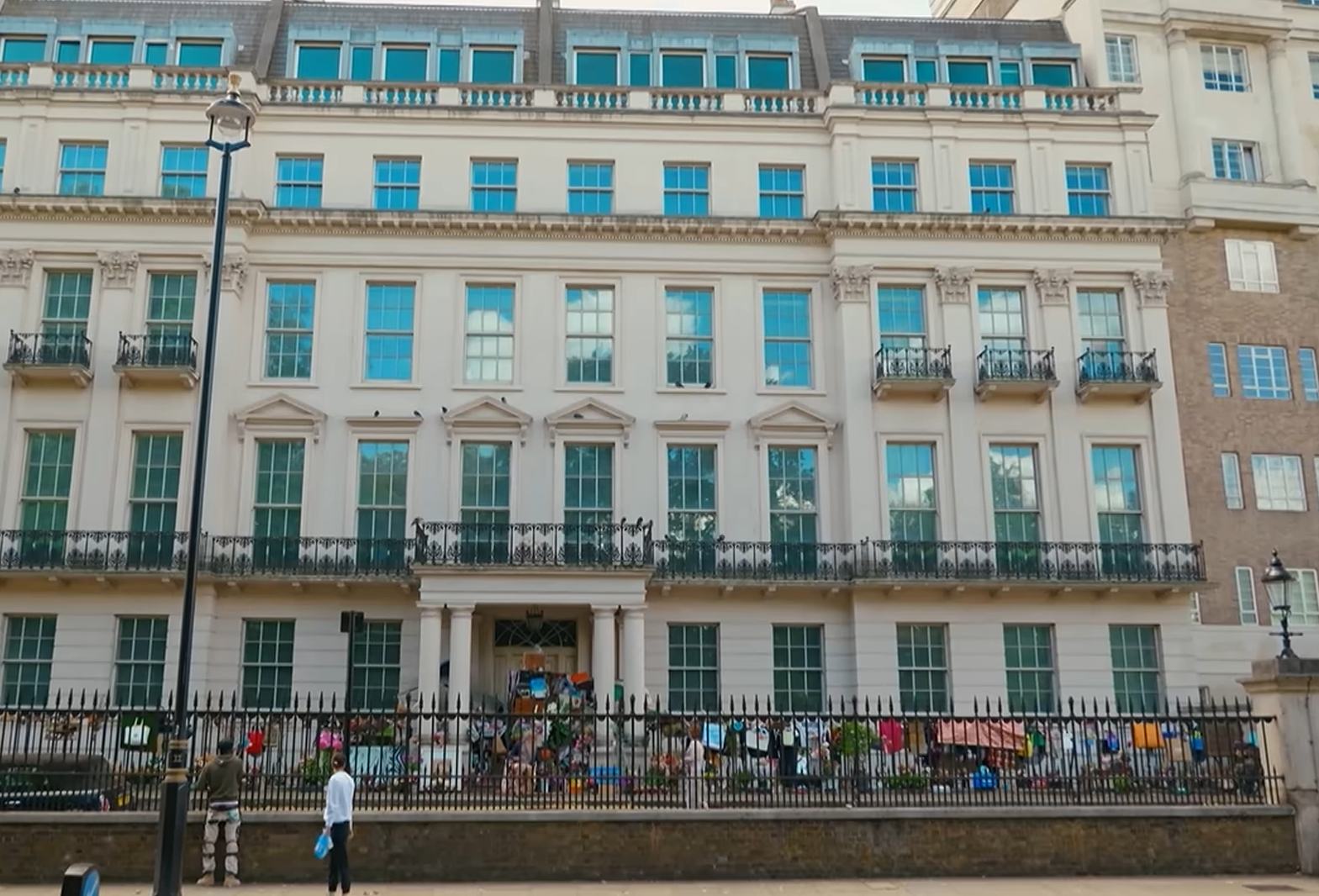
The 45-room mansion at Rutland Gate reportedly sold for £210 million in 2020 but remains unoccupied. (Photo: DW Euromaxx)
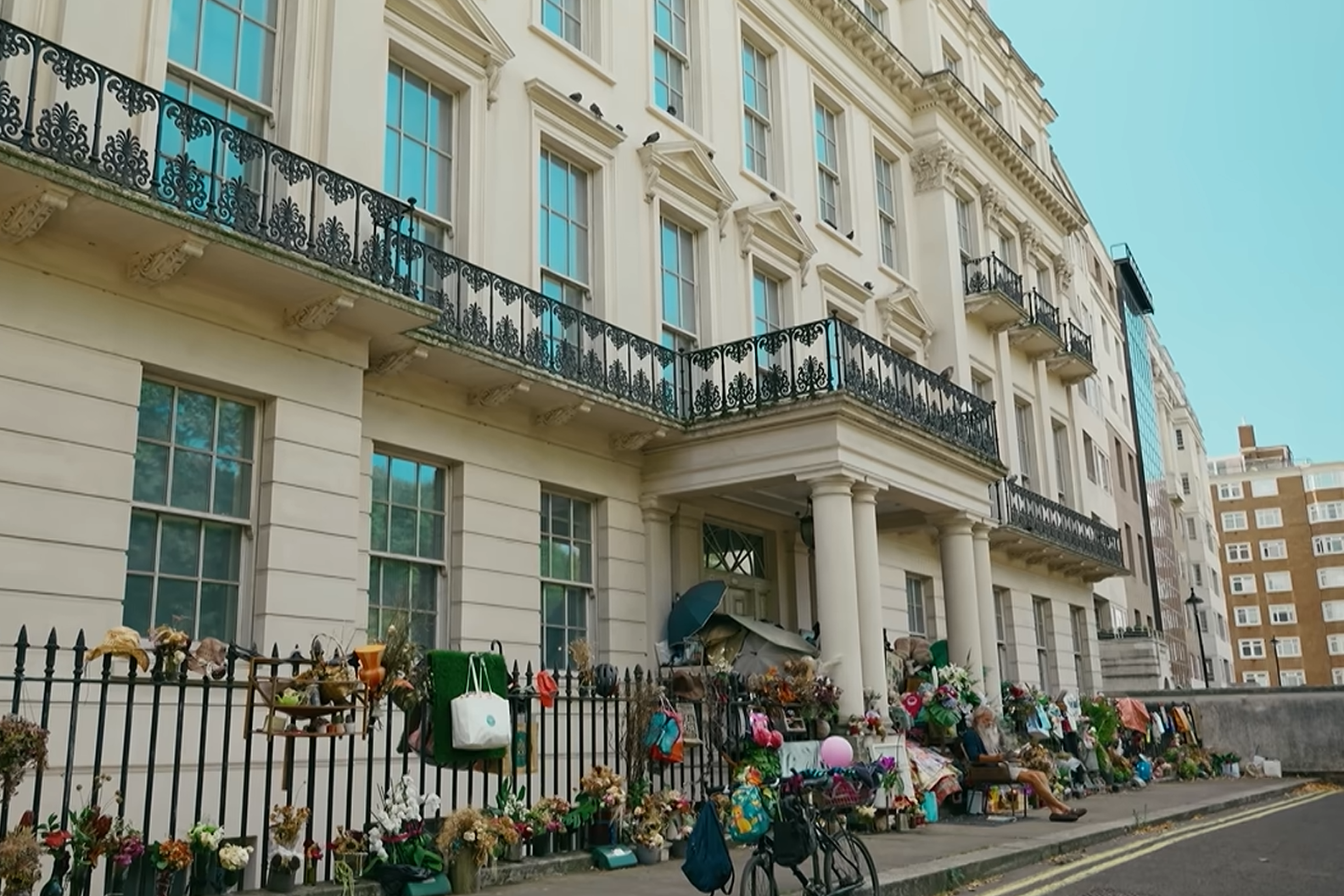
Fernstedt initially thought the spot outside the mansion would provide shelter for a night. Instead, it became his home for years.An avid camper with an interest in nature, he has adapted his outdoor space to suit his needs. He compares his makeshift shelter to a Mongolian yurt or other traditional tents, describing the imaginative way he has created a home on the mansion’s porch.He has also accumulated belongings that help him feel secure and comfortable. Comparing his collection to a squirrel storing nuts, Fernstedt explained that having several supplies means he does not immediately notice when something goes missing.His sleeping arrangements are particularly important to him. He has built up a collection of duvets and bedding, including what he described as seven layers of Hungarian down.“I haven’t had a bad night’s sleep for as long as I can remember,” he said, adding that his arrangements help him sleep through all four seasons.Fernstedt has learned to adapt to outdoor living, including London’s winters. He explained that sleeping without walls can also allow air to circulate during warmer weather.
Why the neighbours let him stay
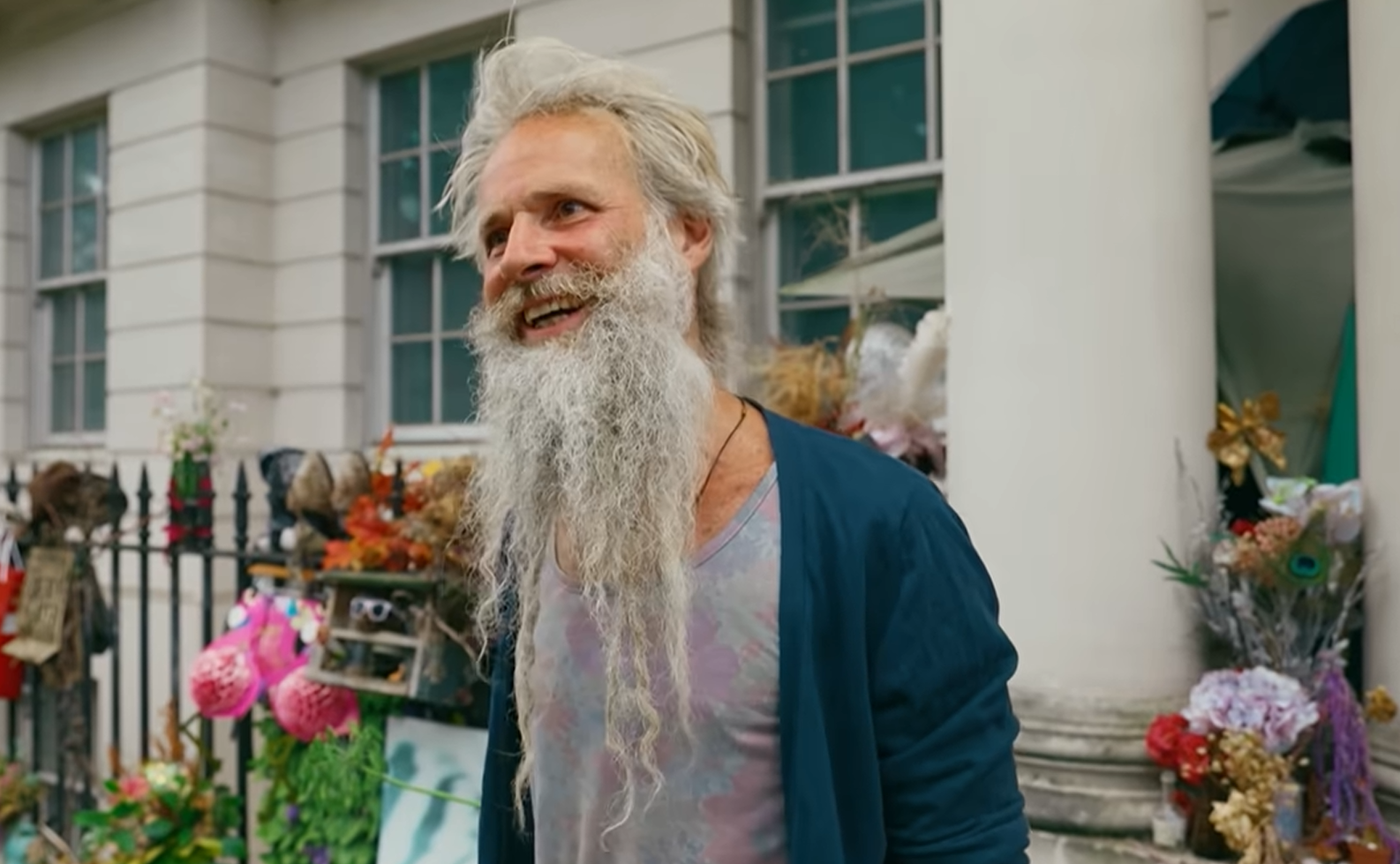
Anders Fernstedt relies on donated food, clothes and charitable services to meet his everyday needs. (Photo: DW Euromaxx)
Living outside a mansion in one of London’s most exclusive neighbourhoods might appear difficult, but Fernstedt says he has gradually developed relationships with people in the surrounding community.After spending a few weeks at the location, he realised that residents knew he was there. He began thinking about how to make his presence familiar without intruding on their lives.He said he believed the neighbourhood’s children and grandchildren could help make his case to their families, hoping that conversations at home would encourage residents to accept him.Over time, some neighbours began approaching him to ask whether he needed anything. Their gestures have included food, clothes and even an elegant Italian dinner jacket.Fernstedt said that beyond material donations, he values ordinary human interaction and friendly conversations with the people living nearby.Not everyone in the neighbourhood has welcomed his presence, but he has found support from residents who appreciate his efforts to keep his makeshift home tidy and his lifestyle quiet. Some reportedly believe his presence may also help deter thieves or vandals from targeting the empty property.The feature does not establish that Fernstedt has formal permission or a legal right to remain outside the mansion.
How he manages without money, electricity or basic amenities
The homeless man uses portable power banks to keep his phone running and download books. (Photo: DW Euromaxx)
Fernstedt describes himself as being almost completely disconnected from money. His daily expenses are minimal, with filter coffee among the few things he says he pays for.For essentials such as showers, food and clothing, he relies partly on charitable support. He visits a charity near Victoria that provides showers, a canteen and access to donated clothing and other basic necessities.The support helps him obtain everyday items, including socks, while occasional gifts from neighbours offer additional assistance.Without a conventional electricity supply, Fernstedt relies on several portable power banks to keep his devices running. He uses his phone to download books, including history titles and the diaries of filmmaker Andrei Tarkovsky.His collection of books and personal belongings offers a sense of continuity in a life that otherwise operates far removed from conventional housing and employment.
Why he says he finally feels at home
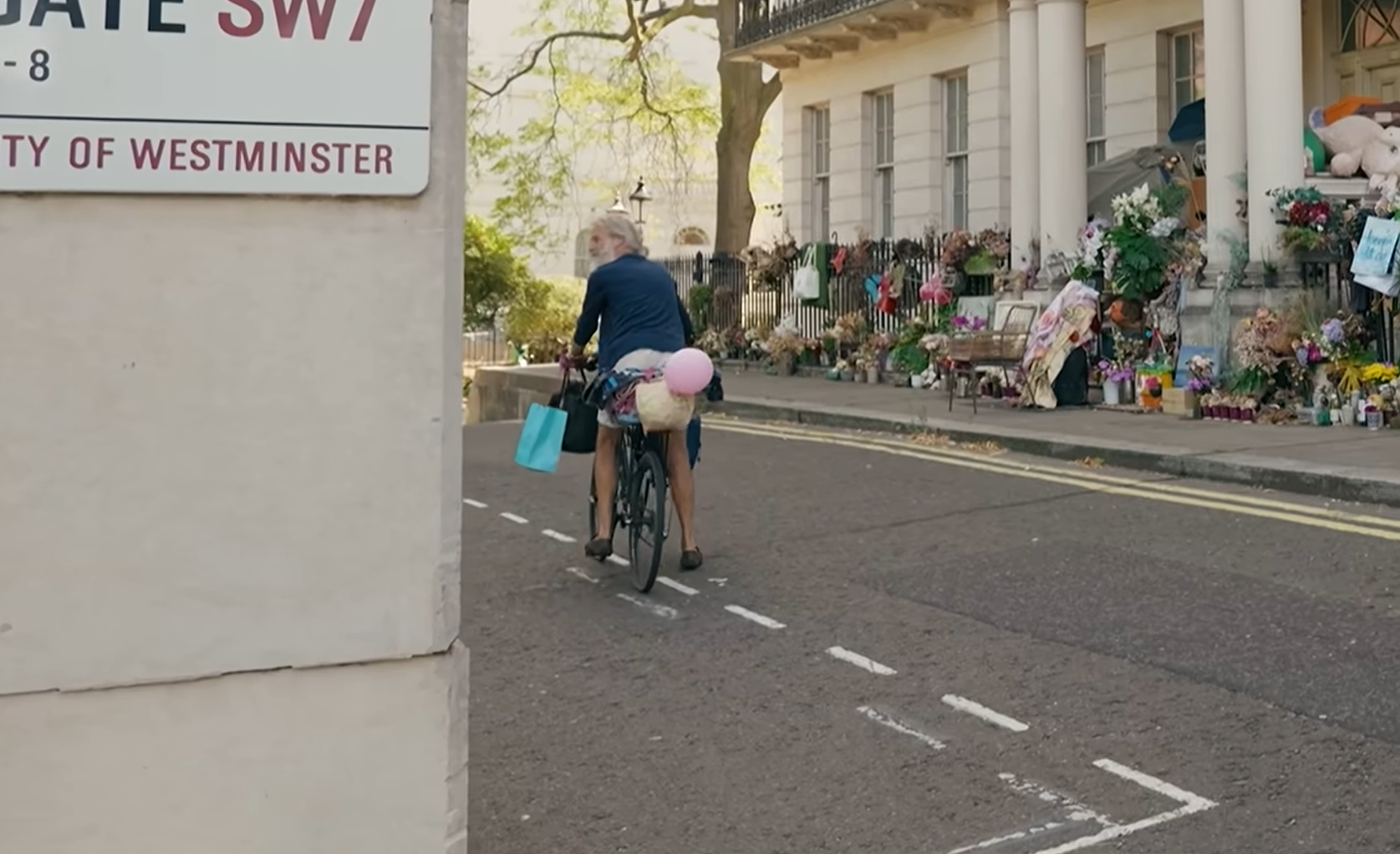
Anders Fernstedt says friendly conversations and small gestures from neighbours have helped him feel more secure. (Photo: DW Euromaxx)
Fernstedt’s current arrangement has given him a sense of security that he says he did not always experience in temporary accommodation.After living at the location for years, he no longer constantly worries that his belongings will disappear while he is away.“Because I’ve been here so long, I’m free of worrying now, and if we worry too much, we won’t be happy,” he said.